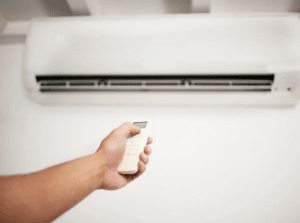
Bedford, TX summers are no joke. With temperatures regularly hitting the triple digits and humidity that makes it feel even worse, your HVAC system works overtime to keep your home comfortable. That’s exactly why preventive HVAC maintenance isn’t optional here, it’s essential.
Skipping routine maintenance is one of the top reasons homeowners in Bedford end up paying for emergency HVAC repair right in the middle of a heat wave. This guide breaks down exactly how often maintenance should happen, what gets checked, and how to protect your system before a small issue turns into a costly breakdown.
What Is Preventive HVAC Maintenance?
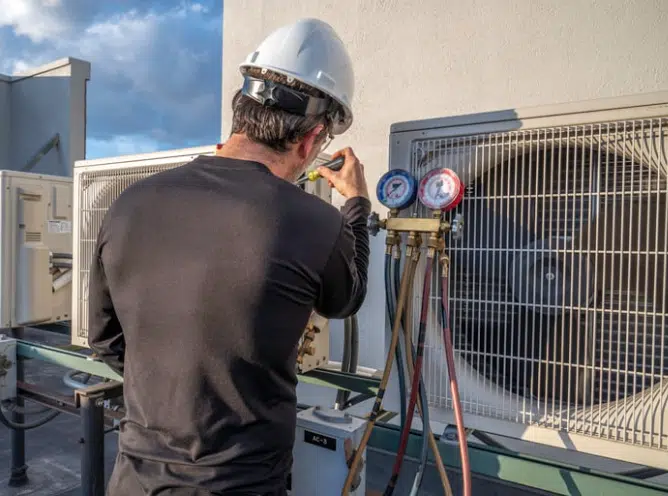
Preventive HVAC maintenance is scheduled service performed on your heating and cooling system before problems occur. Think of it like an oil change for your car, you don’t wait for the engine to fail before you act.
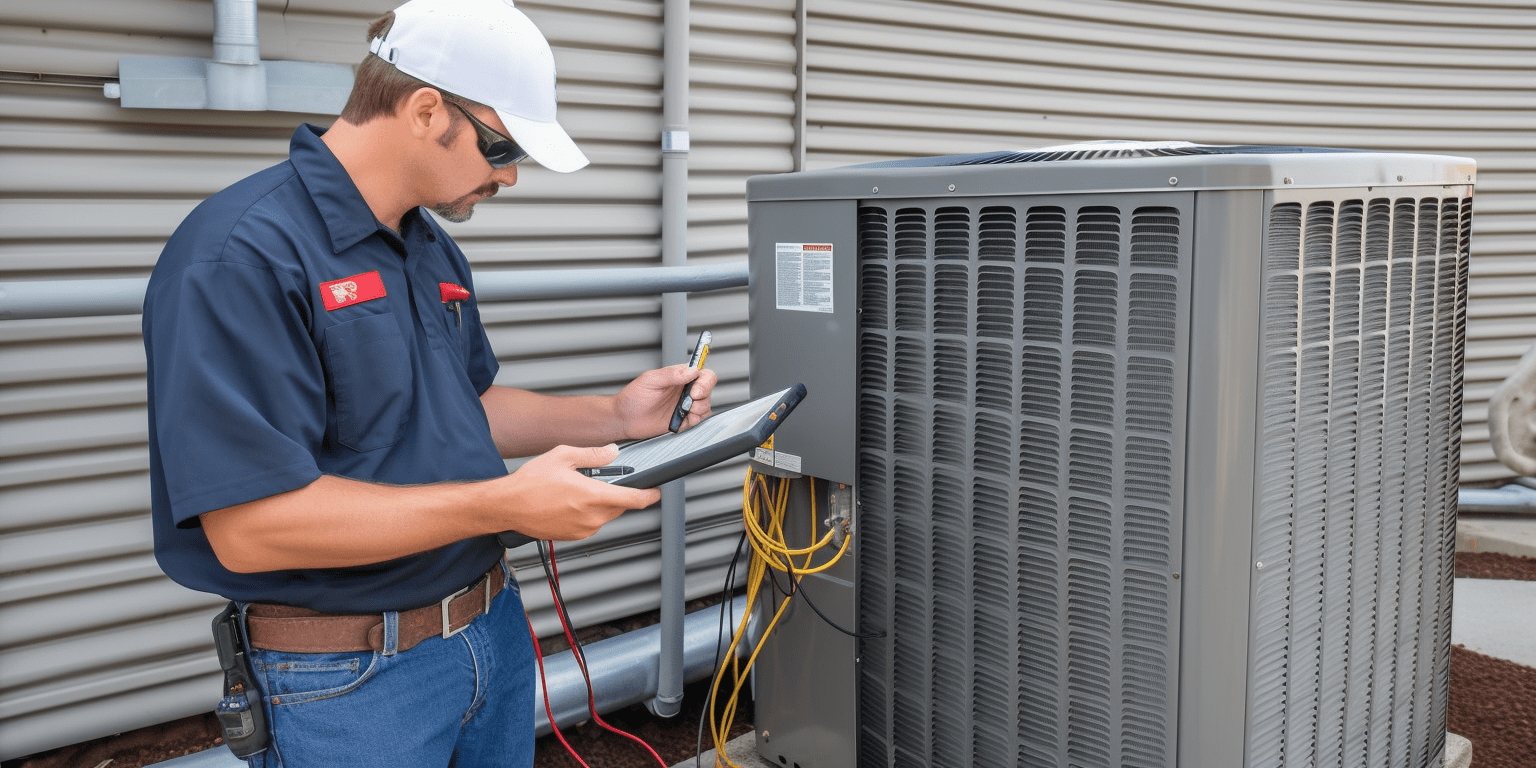
A licensed HVAC technician inspects, cleans, and tunes up your system to make sure everything is running at peak performance. This includes checking refrigerant levels, cleaning coils, inspecting electrical components, and much more.
If you want to understand the financial side of keeping up with service, check out “Why Preventive HVAC Maintenance Saves Money in Hot Weather.” It breaks down exactly where the savings come from.
1. Air Conditioning Should Be Serviced Once a Year In Spring
Recommended frequency: Once per year, ideally March through May
For Bedford homeowners, the AC system carries most of the workload. Scheduling a professional tune-up in the spring before temperatures climb gives technicians time to catch problems before the summer rush.
What gets checked during a spring AC tune-up:
- Refrigerant levels and leak inspection
- Evaporator and condenser coil cleaning
- Thermostat calibration
- Electrical connections and voltage readings
- Condensate drain clearing
- Blower motor and belt inspection
- Air filter replacement or cleaning
Why this matters for Bedford, TX: The cooling season here can stretch from April all the way through October. That’s a long stretch of continuous use. A system that hasn’t been serviced going into that season is running blind.
Tip to avoid problems: Don’t wait until your AC stops blowing cold air to call a technician. Schedule your spring tune-up before April hits. Most HVAC companies in the DFW area get fully booked by May.
Curious whether that tune-up actually shows up on your utility bills? Does Preventive HVAC Maintenance Lower Energy Bills? has the answer with real details worth reading before your next service call.
2. Your Heating System Needs a Tune-Up Once a Year In Fall
Recommended frequency: Once per year, ideally September through November
Even in North Texas where winters are mild, heating systems still need annual attention. A furnace or heat pump that hasn’t been inspected can become a safety hazard, especially when it comes to carbon monoxide risks from cracked heat exchangers.
What a fall heating tune-up covers:
- Heat exchanger inspection for cracks or corrosion
- Burner cleaning and ignition testing
- Flue and venting inspection
- Gas pressure check (for gas furnaces)
- Heat pump reversing valve test
- Safety switch and limit control checks
- Filter inspection and replacement
Tip to avoid problems: If the heater makes a banging, popping, or rattling sound when it first kicks on, that’s a warning sign. Call a technician before using it regularly. Ignoring unusual sounds can lead to a full system replacement instead of a simple repair.
Want to know exactly which parts take the hardest hit when maintenance gets skipped? What Breaks Without Preventive HVAC Maintenance? covers the most common and most expensive failures homeowners deal with when they put off service too long.
3. Air Filters Need to Be Changed Every 1 to 3 Months
Recommended frequency: Monthly to quarterly, depending on your home
This is the one maintenance task homeowners can handle themselves. A clogged air filter is one of the leading causes of HVAC breakdowns and reduced efficiency. In Bedford, where the system runs constantly during summer, filters get dirty faster than in cooler climates.
How often to change filters based on your situation:
- Every 30 days: Homes with pets, allergy sufferers, or older homes with more dust
- Every 60 days: Average household with no pets
- Every 90 days: Vacation homes or properties with minimal use
What to check: Hold the filter up to a light. If you can’t see light through it, it’s overdue for a change. A dirty filter forces the blower motor to work harder, which raises energy bills and shortens the life of the system.
Tip to avoid problems: Set a recurring phone reminder every month to check the filter. Buying filters in bulk from a hardware store saves money and ensures there’s always one on hand.
4. Condensate Drain Lines Should Be Cleared Every 3 to 6 Months
Recommended frequency: Two to four times per year
The condensate drain line removes moisture that the AC pulls out of the air. In humid Texas summers, this line works constantly. When it clogs with algae, mold, or debris, water backs up into the system and can cause water damage to ceilings, walls, and the air handler itself.
Signs of a clogged condensate drain:
- Water dripping near the indoor unit
- Standing water in the condensate pan
- Musty smell from vents
- AC shutting off unexpectedly (the float switch tripped)
Tip to avoid problems: Pour a cup of distilled white vinegar into the condensate drain access port every few months. It kills algae buildup before it becomes a clog. This is a simple habit that prevents a surprisingly common service call.
5. Coils Should Be Professionally Cleaned Once or Twice a Year
Recommended frequency: At least once a year during the annual tune-up, twice for heavily used systems
The evaporator coil (inside) and condenser coil (outside) are responsible for heat transfer. When they’re covered in dust, dirt, or grime, the system can’t cool your home efficiently. In Bedford, the outdoor condenser unit is constantly exposed to Texas dust, pollen, and lawnmower debris.
What dirty coils cause:
- Higher energy bills
- Longer run times with less cooling
- Refrigerant pressure issues
- Frozen evaporator coils
Tip to avoid problems: Keep at least two feet of clearance around the outdoor condenser unit. Trim back bushes, don’t stack items against it, and rinse it gently with a garden hose during peak season to remove surface debris between professional cleanings.
6. Refrigerant Levels Should Be Checked Annually
Recommended frequency: Once per year during the annual AC tune-up
Refrigerant doesn’t get “used up” like gas in a car. If the level is low, that means there’s a leak somewhere. Running an AC with low refrigerant is hard on the compressor, which is the most expensive part of the system.
Signs your refrigerant may be low:
- Warm air blowing from vents even with AC running
- Ice forming on the refrigerant lines or indoor coil
- Hissing or bubbling sounds near the unit
- Higher than usual electric bills
Tip to avoid problems: Only licensed HVAC technicians can legally handle refrigerant. Don’t attempt to add refrigerant yourself. If a technician finds a low level, ask them to identify and repair the leak rather than just topping it off, which is a short-term fix.
7. Ductwork Should Be Inspected Every 3 to 5 Years
Recommended frequency: Every 3 to 5 years, or after major renovations
Leaky ducts are a hidden energy drain. Studies from the EPA suggest that homes can lose up to 30% of conditioned air through duct leaks. In a hot climate like Bedford, that’s a significant hit to both comfort and monthly utility bills.
Signs of duct problems:
- Rooms that never seem to cool down properly
- Noticeably uneven temperatures throughout the house
- Excessive dust near registers
- Sudden spike in energy costs without a clear cause
Tip to avoid problems: After any home renovation that involved cutting into walls or ceilings, have the ductwork inspected. Construction debris and accidental disconnections are common causes of duct issues that go unnoticed for years.
8. Thermostat Calibration Should Be Checked Once a Year
Recommended frequency: Annually, as part of the seasonal tune-up
A thermostat that’s off by even a couple of degrees causes the system to run more or less than it should. Smart thermostats generally self-calibrate, but older programmable or manual thermostats drift over time.
Quick check homeowners can do: Set the thermostat to a specific temperature and compare it to an inexpensive standalone thermometer placed near the thermostat. If there’s a difference of more than two degrees, calibration is needed.
Tip to avoid problems: Upgrading to a smart thermostat is one of the best investments Bedford homeowners can make. It learns usage patterns, can be controlled remotely, and catches inefficiencies before they become major problems.
9. Electrical Components Should Be Inspected Every Year
Recommended frequency: Annually, during the professional tune-up
Loose wiring, failing capacitors, and worn contactors are silent threats inside an HVAC system. Electrical failures are one of the top causes of compressor and motor burnout, and they can also create fire hazards.
What technicians look for during electrical inspection:
- Burnt or frayed wiring
- Weak or failed capacitors
- Pitted or worn contactor points
- Correct voltage and amperage draws
- Proper grounding
Tip to avoid problems: If the AC unit hums loudly but doesn’t start, or trips the circuit breaker repeatedly, don’t keep resetting it. That’s a sign of an electrical issue that needs professional diagnosis right away.
10. Full System Evaluation Every 5 to 10 Years
Recommended frequency: Every 5 to 10 years, or when the system is aging
HVAC systems in Bedford typically last 10 to 15 years with proper maintenance. As a system ages, annual tune-ups should include a broader evaluation of overall system health to determine if it’s time for repairs or HVAC replacement.
What a full system evaluation covers:
- Overall efficiency rating assessment
- Comparison of current energy use vs. system age
- Refrigerant type (older R-22 systems may need upgrading)
- Cost-benefit analysis of repair vs. replacement
Tip to avoid problems: If the system is over 10 years old and requires a major repair that costs more than half the price of a new unit, replacement is often the smarter financial decision. Average costs for full HVAC system replacement vary based on home size, but getting multiple quotes from licensed Bedford-area contractors is always recommended.

Quick Reference: HVAC Maintenance Schedule for Bedford, TX Homeowners
|
Task |
Frequency |
|
Air filter replacement |
Every 1-3 months |
|
Condensate drain flush |
Every 3-6 months |
|
AC professional tune-up |
Once a year (spring) |
|
Heating system tune-up |
Once a year (fall) |
|
Coil cleaning |
Once to twice per year |
|
Refrigerant level check |
Once a year |
|
Thermostat calibration |
Once a year |
|
Electrical inspection |
Once a year |
|
Ductwork inspection |
Every 3-5 years |
|
Full system evaluation |
Every 5-10 years |
Ready to Schedule Your Next HVAC Tune-Up?
Bedford homeowners trust AC Repair DFW for a reason. Licensed technicians, honest diagnostics, and service that holds up through even the toughest Texas summers. Whether it’s a routine tune-up or something that needs immediate attention, the team is ready to help. Contact us today or give us a call to schedule your preventive HVAC maintenance.