Bedford summers do not play around. By June, the heat index often climbs past 100 degrees, and the city sees long stretches of triple-digit days with sticky humidity rolling in from the Gulf. On top of that, oak and cedar pollen, dust, and grass clippings settle into outdoor units all spring. When the worst heat finally hits, the power grid gets pushed hard and so does every air conditioner in town. That combination is exactly why so many systems quit in July, usually on the hottest afternoon of the year.
The good news is that most summer breakdowns are preventable. A little ac summer maintenance now keeps cooling bills lower, helps the system last longer, and lowers the odds of a no-cool emergency during a heat advisory. The steps below make up a simple ac maintenance checklist that any homeowner in Central Texas can follow. None of it requires being an HVAC pro, and most of these tasks have nothing to do with major work like HVAC installation or HVAC repair. Think of it as a way to spot small problems before they turn into big, expensive ones.
Replace or Clean the Air Filter
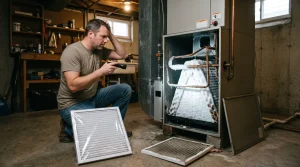
Start with the easiest and most important task. A dirty filter blocks airflow, which forces the system to work harder, run longer, and use more power. In Bedford, with all the spring pollen and dust, filters clog faster than most people expect.
What to check: Pull the filter out and hold it up to a light. If light barely passes through, it needs to go. During heavy-use summer months, most homes need a fresh filter every 30 to 60 days.
How to avoid problems: Set a phone reminder to check the filter monthly from May through September. Match the size printed on the old filter, and slide the new one in with the airflow arrow pointing toward the unit.
Why it matters: A clogged filter is one of the top reasons an AC freezes up or stops cooling. Filters carry a very low average cost, so this is the cheapest insurance available for a cooling system.
A neglected filter is also a frequent culprit when systems quit in extreme heat, as covered in “Top Reasons AC Units Fail During Heatwaves in Dallas–Fort Worth.“
Clear the Outdoor Condenser Unit
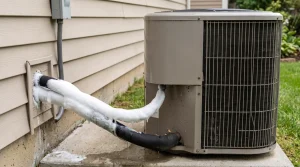
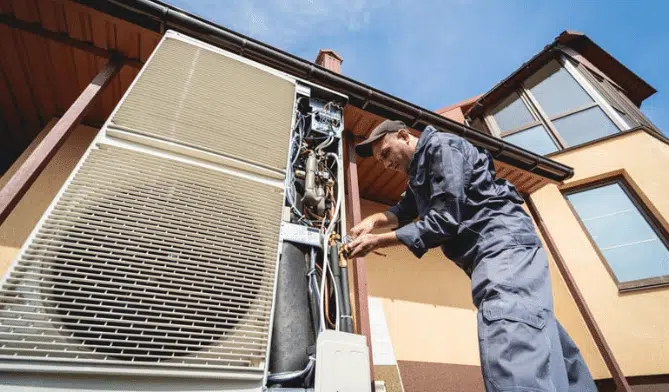
The big metal box outside is the condenser. It needs open space to dump heat from the house. When grass, leaves, weeds, or pollen pile up around it or coat the fins, that heat gets trapped and efficiency drops fast.
What to check: Look for at least two feet of clear space on all sides. Check the top for trapped leaves or a wandering frisbee. Notice if the fins look matted with cottonwood fluff or oak pollen, which is common across Travis County.
How to avoid problems: Always shut off power at the disconnect box before touching the unit. Trim back shrubs, pull nearby weeds, and gently rinse loose debris off the outside with a garden hose on a soft setting. Spray straight, not at an angle, so the thin metal fins do not bend.
The solution side: If the fins are badly bent or packed with grime, that calls for professional coil cleaning rather than a DIY fix, since the delicate fins damage easily.
A dirty condenser is also a top reason a system runs nonstop yet never cools, which is broken down in “AC Running but Not Cooling? Common Causes in Dallas–Fort Worth Homes.“
Check the Condensate Drain Line
As the AC cools the home, it pulls moisture out of the air. That water drains out through a small pipe called the condensate line. In humid Bedford summers, that line moves a lot of water, and algae or sludge can clog it.
What to check: Look for the drain line near the indoor unit and where it exits outside. Standing water near the indoor air handler, a musty smell, or a full drain pan are all warning signs of a clog.
How to avoid problems: Keep the area around the indoor unit dry and watch for any water stains on the ceiling or wall below an attic unit. A clogged line is a leading cause of water damage during peak cooling season.
The solution side: Many newer systems have a safety switch that shuts the AC off when the drain backs up. If the system keeps turning itself off and water is involved, that points to a drain problem worth having checked before it floods an attic or hallway.
Pairing a clear drain line with smart temperature habits keeps things running even smoother, and “Best Thermostat Settings for Summer in North Texas“ shows how to dial that in.
Test and Upgrade the Thermostat
The thermostat is the brain of the whole system. A faulty or poorly placed thermostat can make the AC short-cycle, run nonstop, or read the wrong temperature.
What to check: Set the thermostat a few degrees below room temperature and confirm cool air starts flowing within a minute or two. If the screen is dim or blank, the batteries may be dead.
How to avoid problems: Replace thermostat batteries at the start of summer. Keep lamps, sunlight, and kitchen heat away from the thermostat, since those throw off the reading.
The solution side: A programmable or smart thermostat is worth considering. Letting the home drift a little warmer while everyone is out, then cooling down before they return, trims the energy bill noticeably. That helps during Bedford heat events when electricity demand and rates climb.
Run a Full Test Before Peak Heat
Do not wait for the first 105-degree day to learn whether the AC is ready. Testing the system in spring, while temperatures are mild, gives time to fix issues before the rush.
What to check: Turn the system on and listen. Loud banging, grinding, buzzing, or rattling are not normal. Notice any burning or musty smells. Feel the air at a few vents to confirm it is actually cold and blowing with decent force.
How to avoid problems: Run this test a few weeks before summer truly arrives. When the heat finally lands, every AC repair company in Bedford gets slammed, and wait times stretch out. Catching trouble early means beating that line.
The solution side: Weak airflow, warm air, or strange noises are signals to stop guessing and get a professional opinion before the problem spreads.
Clean the Coils (Evaporator and Condenser)
Every AC has two sets of coils. The condenser coil sits outside and releases heat. The evaporator coil sits indoors and absorbs heat. Both need to be clean to move heat properly. Dirty coils are one of the most common reasons a unit runs all day yet never cools the house.
What to check: Outside, look at the condenser fins for caked-on dirt and pollen. Inside, the evaporator coil is harder to reach and usually hidden, so dust buildup there is tough to spot without opening the unit.
How to avoid problems: Keeping the filter fresh (Step 1) is the single best way to keep the indoor coil clean, since the filter catches dust before it sticks to the coil.
The solution side: Outdoor coil rinsing is a reasonable homeowner task, but the indoor evaporator coil is fragile and tucked into a tight space. That cleaning is best left to a technician during a tune-up. The average cost of coil cleaning is small compared to the higher power bills a dirty coil causes all summer.
Watch for Low Refrigerant Warning Signs
Refrigerant is the fluid that actually carries heat out of the home. A system should never lose refrigerant under normal use. If levels drop, it almost always means there is a leak somewhere.
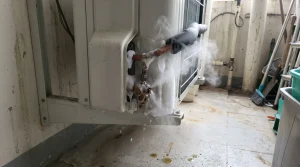
What to check: Warning signs include warm air from the vents, ice forming on the refrigerant lines or the outdoor unit, a hissing or bubbling sound, and cooling bills that suddenly jump for no clear reason.
How to avoid problems: Pay attention to how well the system keeps up on hot days. A unit that used to hold temperature easily but now struggles may be losing refrigerant.
The solution side: Refrigerant work is not a DIY job. It requires special tools, training, and a license, and handling it incorrectly is unsafe and against regulations. Spotting the warning signs early and calling a licensed pro keeps a small leak from turning into a full compressor failure, which is one of the priciest AC repairs out there.
Inspect Ductwork and Vents
Cool air has to travel from the system through ducts to each room. Leaky or blocked ducts waste a huge amount of cooling, especially in older Central Bedford homes and in attics that bake in the Texas sun.
What to check: Walk the house and confirm all supply vents are open and not blocked by furniture, rugs, or curtains. Check for rooms that never seem to cool as well as the rest. In the attic, look for obvious disconnected or crushed duct sections if it is safe to do so.
How to avoid problems: Keep registers open and clear, and dust the vent covers so they are not choked with buildup. Closing too many vents can actually strain the system, so leave them open.
The solution side: Big temperature differences from room to room, or a system that runs forever, can point to duct leaks. Sealing or repairing ducts is a job for a pro, and it often pays for itself through lower bills.
Check Electrical Connections
Heat is hard on electrical parts. Wires loosen, contacts wear out, and capacitors fail, often right when the system is working hardest during a Texas heat wave.
What to check: From a safe distance, look for scorch marks, a burning smell, or a humming sound from the outdoor unit when it will not start. A breaker that keeps tripping is another red flag.
How to avoid problems: Never open the electrical panel on the unit or poke at wiring. This step is about spotting symptoms, not handling them.
The solution side: Electrical issues are a safety hazard and a fire risk, so they belong to a trained technician. A failed capacitor is a common, fairly low average cost fix when caught early, but ignoring electrical warning signs can lead to a damaged compressor.
Book a Professional AC Tune-Up
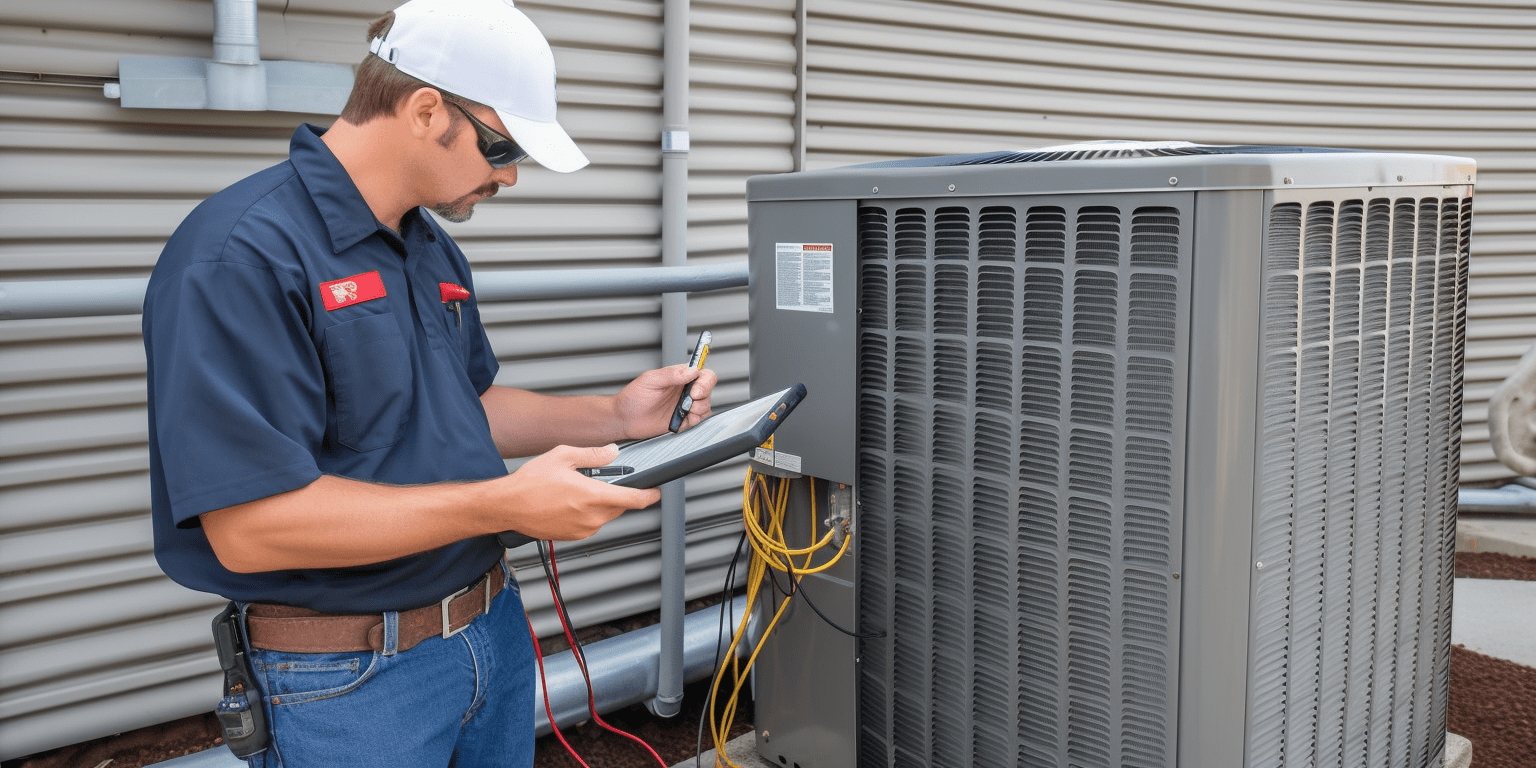
The final step ties the whole list together. A yearly professional tune-up catches the things a homeowner cannot safely check, like refrigerant pressure, electrical readings, and deep coil cleaning.
What to check: Schedule the tune-up in early spring if possible. That is the slow season for HVAC companies in Bedford, so appointments are easier to get and the system is ready before the heat lands.
How to avoid problems: Make the tune-up a yearly habit, the same way a car gets an oil change. Manufacturers often require regular maintenance to keep the warranty valid, so skipping it can cost more later.
The solution side: A licensed technician finishes the ac unit maintenance checklist by handling the technical and safety-related parts. The average cost of a seasonal tune-up is far lower than an emergency call on a 108-degree afternoon, and it greatly reduces the chance of needing one.
Quick-Glance AC Unit Maintenance Checklist
Use this short ac maintenance checklist as a fast reference before summer:
- Replace or clean the air filter (check monthly)
- Clear two feet of space around the outdoor unit
- Confirm the condensate drain line flows freely
- Test the thermostat and replace its batteries
- Run a full system test before peak heat
- Keep the coils clean (filter helps the indoor coil)
- Watch for low refrigerant warning signs
- Keep vents open and check for duct leaks
- Look for electrical warning signs from a safe distance
- Schedule a professional tune-up in spring
Print it, stick it on the fridge, and check off each item. Staying on top of ac summer maintenance is the simplest way to keep a home cool and comfortable through the hardest months.

Stay Cool All Summer Without the Stress
Bedford heat is unforgiving, but a cooling system does not have to be a gamble. Most July breakdowns trace back to small, ignored issues that a basic ac maintenance checklist would have caught in spring. Working through this list takes a single afternoon, and the payoff is lower bills, fewer surprises, and a house that stays cool while the rest of the neighborhood sweats. For the parts that involve refrigerant, electrical work, or the indoor coil, lean on a licensed local technician. If a system is aging or beyond repair, an HVAC replacement paired with a professional energy assessment can lower bills even further and improve comfort long term. Steady ac summer maintenance, plus one yearly tune-up, is the proven recipe for getting through a Central Texas summer without a meltdown.
Trusted Help When the Heat Hits
When a cooling system needs more than a quick checklist, AC Repair DFW is ready to step in. The team brings licensed, experienced technicians who know exactly how brutal Texas summers can be and how to keep homes comfortable through every triple-digit day. From fast tune-ups to emergency repairs, we handle the technical and safety-related work so families can relax and stay cool. Do not wait for a breakdown on the hottest afternoon of the year. Contact us today or give us a call to schedule service and head into summer with confidence.