Summer in Bedford, TX is no joke. When July hits and the heat index climbs past 100 degrees, a cooling system that quits is more than annoying. It can turn a comfortable home into an oven in just a few hours. One of the most frustrating problems homeowners face is an AC running but not cooling the house. The unit hums along, the fan spins, but the air coming from the vents feels warm or barely cool.
This guide breaks down the most common AC failure causes seen in North Texas homes. The list is written from years of hands-on field experience in the Mid-Cities area, including Bedford, Euless, and Hurst. Whether the fix turns out to be a quick repair or a bigger job like an HVAC installation, knowing the cause is the first step. Each entry covers what to look for and a simple tip. Some problems are safe to check on your own. Others call for an expert HVAC repair by a licensed technician. Knowing the difference can save time, money, and a sweaty afternoon.
A Dirty or Clogged Air Filter
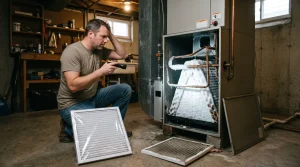
This is the number one reason for an AC running but not cooling, and the good news is that it is the easiest to fix. The air filter traps dust, pet hair, and pollen before air moves through the system. In dusty North Texas, that filter fills up fast. When it gets packed, air cannot flow well. Less airflow means less cool air reaching your rooms.
What to check: Pull out the filter and hold it up to the light. If light barely passes through, it is time for a new one.
Tip: In Bedford homes with pets, change the filter every 30 days during summer. A clean filter is the cheapest way to keep your cooling system happy.
Want to get ahead of filter changes and other easy wins? Check out the guide on How to Prepare Your AC for a Dallas–Fort Worth Summer (Checklist) for a simple season-by-season plan.
Low Refrigerant From a Leak
Refrigerant is the special fluid that pulls heat out of your indoor air. When the level drops, the system keeps running but cannot remove heat. That is why the unit feels like it is working hard while the house stays warm. Low refrigerant almost always points to a leak somewhere in the line.
What to check: Listen for a hissing or bubbling sound near the indoor unit. Notice if rooms cool slowly even at full blast.
Tip: Refrigerant work is not a do-it-yourself job. Handling it requires a license and special tools. Call for professional AC repair if you suspect a leak. The average cost depends on how big the leak is and how much refrigerant the system needs.
Refrigerant leaks tend to strike when the system is under the most stress. Learn more in the article on Top Reasons AC Units Fail During Heatwaves in Dallas–Fort Worth.
A Frozen Evaporator Coil
It sounds strange, but a coil can freeze solid in the middle of a Texas heat wave. When airflow drops or refrigerant runs low, the evaporator coil gets too cold and ice forms on it. A block of ice cannot absorb heat, so warm air blows from the vents even though the AC is running.
What to check: Open the indoor unit panel and look for frost or ice on the coil. You may also see water pooling around the unit as the ice melts.
Tip: Turn the system off and let the ice melt fully before running it again. If the coil keeps freezing, that points to a deeper issue that needs a pro.
Smart thermostat habits can help prevent a frozen coil too. See the tips in Best Thermostat Settings for Summer in North Texas.
A Dirty Outdoor Condenser Unit
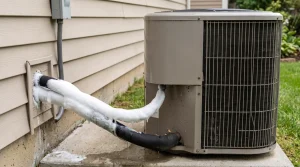
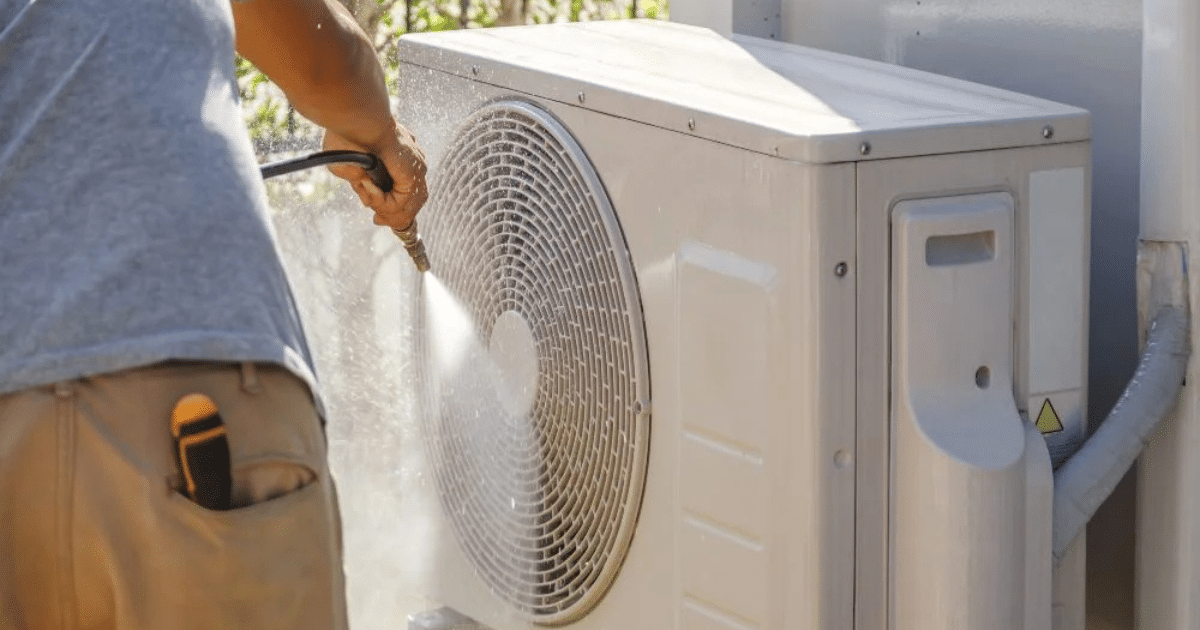
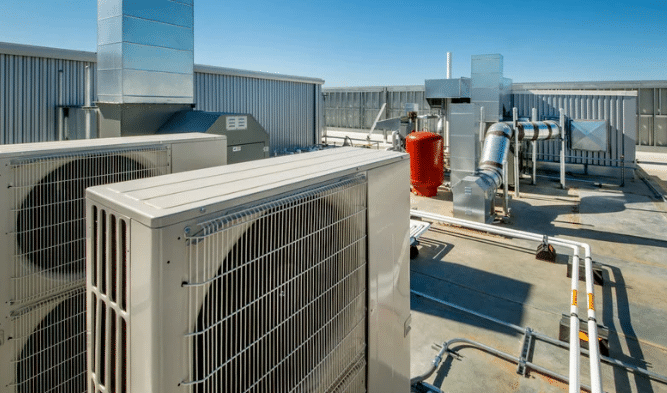
The outdoor unit, called the condenser, releases heat from your home to the outside air. Bedford yards collect plenty of grass clippings, dust, and leaves. When that debris coats the condenser coils, the unit cannot dump heat well. The result is an AC running but not cooling the way it should.
What to check: Look at the outdoor unit. If the metal fins are caked with dirt or blocked by plants, airflow is choked.
Tip: Keep at least two feet of clear space around the condenser. Gently rinse the fins with a garden hose once a month in summer. Always shut off power to the unit before cleaning.
Thermostat Problems or Wrong Settings
Sometimes the cause is not the big equipment at all. The thermostat is the brain of the HVAC system. If it reads the wrong temperature or loses power, it sends bad signals. A simple setting mistake can make it seem like the whole system failed.
What to check: Make sure the thermostat is set to “cool” and not “fan only.” A fan-only setting blows air without cooling it. Check the batteries too.
Tip: Keep the thermostat away from direct sunlight and lamps. Heat near the device tricks it into the wrong reading. A smart thermostat can help, but proper placement matters most.
Leaky or Blocked Air Ducts
Many Bedford homes route ductwork through the attic. In a North Texas summer, attic temperatures can soar past 130 degrees. If ducts have gaps, leaks, or crushed sections, cool air escapes before it reaches your rooms. Hot attic air also sneaks in. You pay to cool air that never arrives.
What to check: Notice if some rooms feel much warmer than others. Look for visible gaps or disconnected duct sections in the attic.
Tip: Duct sealing is one of the smartest upgrades for older homes in the area. It lowers your energy bill and helps the whole system cool evenly.
A Failing Capacitor
The capacitor is a small part with a big job. It gives the motors a jolt of power to start up and keep running. Texas heat is hard on capacitors, and they often fail in the hottest months. When the capacitor goes bad, the fan or compressor may not start, even though the system is getting power.
What to check: Listen for a humming or clicking sound from the outdoor unit when the fan will not spin. That can signal a weak capacitor.
Tip: A failing capacitor is a frequent reason for AC repair calls in summer. The part itself is small, and the average cost to replace one is fairly low compared to bigger repairs. Leave the actual swap to a trained tech, since the part holds an electrical charge.
A Worn-Out Compressor
The compressor is the heart of your cooling system. It pumps refrigerant through the unit so heat can move out of your home. When the compressor weakens or fails, the AC keeps running but stops cooling. Compressor trouble is one of the more serious AC failure causes because the part is expensive.
What to check: Notice loud rattling, hard starting, or the outdoor unit tripping the breaker often.
Tip: A compressor that fails on an older system may mean it is time to weigh repair against replacement. A local pro can explain the average cost of each path so you can decide what fits your home.
A Clogged Condensate Drain Line
Your AC pulls humidity out of the air, and that water drains away through a line. Over time, algae and gunk clog that drain. When it backs up, a safety switch shuts the system down to prevent water damage. In humid North Texas weather, this clog is more common than people think.
What to check: Look for standing water near the indoor unit or a full drip pan. A system that shuts off on its own may be tripping the safety switch.
Tip: Flushing the drain line a few times a year keeps it clear. This small habit prevents a common cause of summer breakdowns.
An Aging or Undersized System
Even with good care, no AC lasts forever. Most units run well for 12 to 15 years. After that, parts wear out and cooling power fades. A system that is too small for the home also struggles, since it can never keep up with Texas heat. Both situations lead to an AC running but not cooling on the hottest days.
What to check: Think about the age of your unit and whether it ever truly keeps the house cool in peak summer.
Tip: If your system is over a decade old and needs frequent AC repair, ask a pro about the average cost of a new, right-sized unit. A proper match for your square footage makes a huge difference.
Quick Tips to Avoid AC Failure in Bedford, TX
A little care goes a long way in the North Texas climate. Use this simple list to keep your cooling system strong:
- Change the air filter every 30 to 60 days, more often with pets.
- Rinse the outdoor condenser unit monthly during summer.
- Keep plants and clutter at least two feet from the outdoor unit.
- Flush the condensate drain line a few times each cooling season.
- Schedule a professional tune-up every spring before the heat arrives.
- Watch your energy bill, since a sudden jump can signal a problem.
These habits prevent many of the AC failure causes listed above and keep small issues from turning into big ones.
What to Check Before Calling for AC Repair
Before picking up the phone, a few safe checks can rule out the simple stuff:
- Confirm the thermostat is set to “cool” and the temperature is low enough.
- Replace a dirty air filter.
- Make sure the outdoor unit has power and is not blocked by debris.
- Check the breaker panel for a tripped breaker.
- Look for ice on the indoor coil and let it melt if found.
If the house still will not cool after these steps, the problem likely needs a trained technician.
When to Call a Local AC Repair Pro
Some jobs are simply not safe or smart to handle alone. Anything involving refrigerant, electrical parts, the compressor, or sealed components belongs to a licensed technician. These repairs require special tools, training, and safety steps. Trying them without the right skills can damage the system or cause injury.
A trusted local company that knows Bedford homes and the North Texas climate can find the real cause fast. Choosing a licensed, insured technician protects your home and your wallet. Always ask about the average cost up front so there are no surprises.
Stay Cool All Summer With Fast, Reliable AC Repair
An AC running but not cooling is a common headache during a Bedford summer, but it is rarely a mystery. Most of the time the cause comes down to a clogged filter, a refrigerant leak, a frozen coil, a dirty condenser, or a worn part. Knowing the warning signs helps you act fast and stay cool. Simple care prevents many of these AC failure causes, and a reliable local pro can handle the rest. If an older unit keeps breaking down, a licensed pro can also weigh an HVAC replacement and run an energy assessment to find the right fit for your home. When the heat is on and the house just will not cool down, do not wait. Quick AC repair keeps your home safe and comfortable all season long.
Trusted AC Repair Across the Dallas–Fort Worth Area
When the heat takes over and the house just will not cool down, AC Repair DFW is ready to help. The team brings hands-on experience with Bedford homes and the North Texas climate, so the real cause gets found fast and fixed right the first time. From a simple filter swap to a tricky refrigerant leak, licensed and friendly technicians treat every home like their own. Honest answers, fair average costs, and fast service are what set the team apart. Do not sweat through another hot day. Contact us today or give us a call to get your home cool and comfortable again.