Bedford, TX summers are no joke. When temperatures push past 100°F and the humidity makes it feel even worse, your HVAC system becomes the hardest-working appliance in your home. And when it works harder than it should because it hasn’t been maintained, energy bills climb fast. Whether you are dealing with a minor tune-up or a full HVAC repair, staying on top of maintenance is what keeps those costs from spiraling.
So does preventive HVAC maintenance actually lower energy bills? The short answer is yes, and the savings are more significant than most homeowners realize. Here are seven reasons why regular maintenance keeps both your system and your wallet in better shape.
A Clean Air Filter Lets Your System Breathe Easier
A dirty air filter is one of the most common reasons HVAC systems in Bedford homes run inefficiently. When the filter is clogged, the system has to work overtime just to pull air through. That extra strain drives up energy use fast.
What to check: Hold your filter up to the light. If you cannot see light through it, it is time for a replacement. Most filters in North Texas homes should be changed every 30 to 60 days during peak cooling season because of the dust and pollen in the DFW area.
Tip to avoid the problem: Set a monthly reminder on your phone. A new 1-inch filter costs very little compared to the average cost of an emergency AC repair call.
If you want to understand the bigger picture behind filter care and system efficiency, the blog Why Preventive HVAC Maintenance Saves Money in Hot Weather breaks it down in a way that is worth reading before your next tune-up.
Dirty Coils Force Your AC to Run Longer
Your air conditioner has two coils: the evaporator coil inside and the condenser coil outside. Both get dirty over time. When coils are coated in dust, dirt, or debris, heat transfer becomes inefficient. Your system runs longer cycles trying to reach the set temperature, and that extra runtime shows up on your electric bill.
In Bedford and the greater Tarrant County area, outdoor condenser units deal with cottonwood, mowing debris, and dust storms that can coat coil fins quickly.
What to check: Look at your outdoor unit. If the fins on the sides look matted with debris or the unit is surrounded by overgrown shrubs, airflow is restricted.
Tip to avoid the problem: Keep at least two feet of clearance around the outdoor unit. Rinse the outside of the condenser with a garden hose once a season. For a deeper coil cleaning, an HVAC technician uses a professional coil cleaner that gets into the fins without bending them.
Wondering how often this kind of cleaning should actually happen? The blog How Often Should Preventive HVAC Maintenance Happen? gives a clear, straightforward answer that every Bedford homeowner should know.
Low Refrigerant Makes Your System Work Twice as Hard
Refrigerant is the substance that actually removes heat from your home. When the level is low, usually because of a slow leak, the system struggles to cool your home efficiently. The compressor runs longer, energy use spikes, and the cooling never feels quite right.
This is one of the issues a preventive maintenance visit catches before it turns into a breakdown in July.
What to check: Signs of low refrigerant include ice forming on the copper lines near the indoor unit, warm air blowing from vents even after the system runs for a while, and a hissing or bubbling sound near the unit.
Tip to avoid the problem: Refrigerant does not simply “run out” the way oil does in a car. If levels are low, there is a leak somewhere. A qualified technician will find it, repair it, and recharge the system. Attempting to add refrigerant without fixing the leak is a temporary fix that will cost more in the long run.
Refrigerant leaks are just one of the costly surprises that skipped maintenance invites. Find out what else is at risk in the blog What Breaks Without Preventive HVAC Maintenance? It is a helpful read before something goes wrong.
Worn Electrical Connections Waste Energy and Create Safety Hazards
Every HVAC system has electrical connections that can loosen, corrode, or wear over time. Loose connections create resistance in the circuit, and resistance generates heat and wastes electricity. In worst-case scenarios, faulty wiring becomes a fire hazard.
During a preventive maintenance inspection, a technician checks these connections, tightens what needs tightening, and flags anything that looks like a safety concern.
What to check: If your circuit breaker trips when the AC kicks on, or if you notice a burning smell near the indoor air handler, call a professional immediately. Do not ignore these signs.
Tip to avoid the problem: Schedule a tune-up at least once a year, ideally in the spring before the Bedford summer heat arrives. This gives a technician the chance to catch electrical issues before they cause a full system failure.
A Poorly Calibrated Thermostat Sends Wrong Signals to Your System
If your thermostat is reading the temperature incorrectly, it will either run the system too long or shut it off too soon. Both scenarios hurt efficiency. An older thermostat, especially one that is not properly calibrated or positioned near a heat source, can throw off the entire system.
Upgrading to a programmable or smart thermostat is one of the highest-return investments a Bedford homeowner can make. These devices learn your schedule, adjust temperatures automatically, and can be controlled remotely when North Texas weather surprises you.
What to check: Compare your thermostat reading to a separate room thermometer. If there is more than a two-degree difference, calibration may be off.
Tip to avoid the problem: Keep the thermostat away from direct sunlight, lamps, and kitchen heat. If it is more than ten years old, replacing it with a smart thermostat is worth the average cost of the upgrade.
Blocked or Leaky Ductwork Loses Cooled Air Before It Reaches Your Rooms
Your duct system is the delivery network for your cooled air. In many Bedford homes, especially older construction in the 76021 and 76022 zip codes, ducts run through unconditioned attic spaces where summer temperatures can exceed 150°F. If there are gaps, disconnected sections, or poor insulation in those ducts, a significant portion of your cooled air is literally heating your attic instead of cooling your living room.
Energy experts estimate that leaky ducts can reduce system efficiency by 20 to 30 percent.
What to check: Uneven cooling between rooms, rooms that never seem to reach the right temperature, and noticeably higher electric bills compared to neighbors with similar-sized homes can all point to duct issues.
Tip to avoid the problem: A technician can perform a duct leakage test to find problem areas. Sealing ducts with mastic sealant and adding proper insulation around attic runs can make a noticeable difference in both comfort and monthly bills.
A Well-Maintained System Runs at Its Rated Efficiency
Every HVAC unit is rated with a SEER number (Seasonal Energy Efficiency Ratio). A higher SEER means better efficiency. But that rating assumes the system is properly maintained. A neglected system can lose a significant portion of its rated efficiency over time due to the combined effects of dirty coils, low refrigerant, worn parts, and poor airflow.
When a trained technician tunes your system annually, they restore as much of that original efficiency as possible. That means you are getting closer to the performance you paid for when the system was installed.
What to check: If your system is more than 10 to 12 years old and energy bills keep climbing despite maintenance, it may be time to discuss replacement with a qualified HVAC professional. Modern systems with higher SEER ratings can cut cooling costs noticeably compared to older equipment.
Tip to avoid the problem: Keep records of your maintenance visits and energy bills. If bills are trending up even with consistent maintenance, that is data worth bringing to your technician.
What Does a Preventive Maintenance Visit Include?
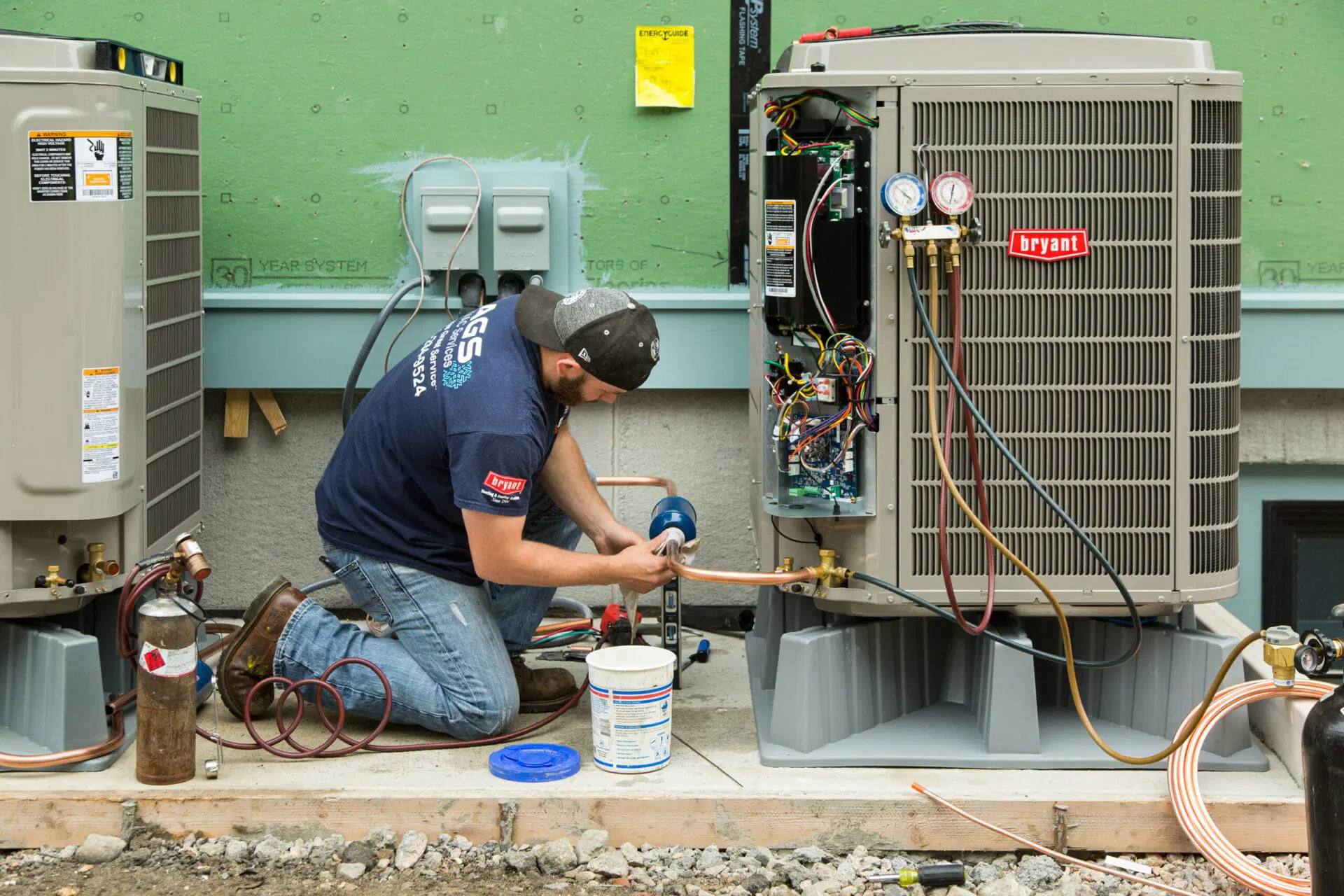
A standard HVAC tune-up from a qualified Bedford technician typically covers:
- Inspecting and replacing the air filter
- Cleaning evaporator and condenser coils
- Checking refrigerant levels and looking for leaks
- Tightening electrical connections and checking voltage
- Lubricating moving parts like the blower motor
- Testing the thermostat calibration
- Inspecting the condensate drain line for clogs
- Checking duct connections at the air handler
Most of this takes about an hour to an hour and a half. The average cost of a preventive maintenance visit is a fraction of what an emergency repair or early system replacement would run.
Bottom Line for Bedford Homeowners
Preventive HVAC maintenance is not just about avoiding breakdowns. It is about making sure every dollar spent on electricity actually goes toward cooling your home, not compensating for a system that is fighting against itself.
With Bedford summers pushing systems to their limits for five or more months a year, skipping maintenance is a gamble that usually pays off in higher bills, shorter system life, and uncomfortable breakdowns at the worst possible time. And when neglect goes too far, homeowners often face an unexpected HVAC replacement that could have been pushed off for years with the right care.
Scheduling a tune-up every spring, changing filters regularly, and staying alert to the warning signs covered above are the most straightforward steps any homeowner can take to keep energy costs reasonable and the system running reliably.

Ready to Stop Overpaying on Energy Bills?
AC Repair DFW helps Bedford homeowners get more out of their HVAC systems with honest, professional service and zero guesswork. If your system has not been serviced recently or your energy bills are climbing, now is the time to act. Contact us today or give us a call to schedule your preventive maintenance visit.