Your outdoor AC unit is not cooling most often because the condenser coils are caked with dirt, grass, and dust, so the system can’t release your home’s heat to the outside air. When those coils are blocked, the unit runs and runs but the house stays warm, the air off the top of the unit feels only lukewarm, and your energy bills climb. The six clearest signs of dirty coils are: warm air from the vents, a constantly running unit, visibly dirty fins, a hot outdoor unit, higher bills, and the system overheating or shutting off. Most of the time you can rinse the coils clean yourself with a garden hose, without needing professional HVAC repair or a full HVAC installation. Here’s how to spot the problem and fix it safely.
Key takeaways
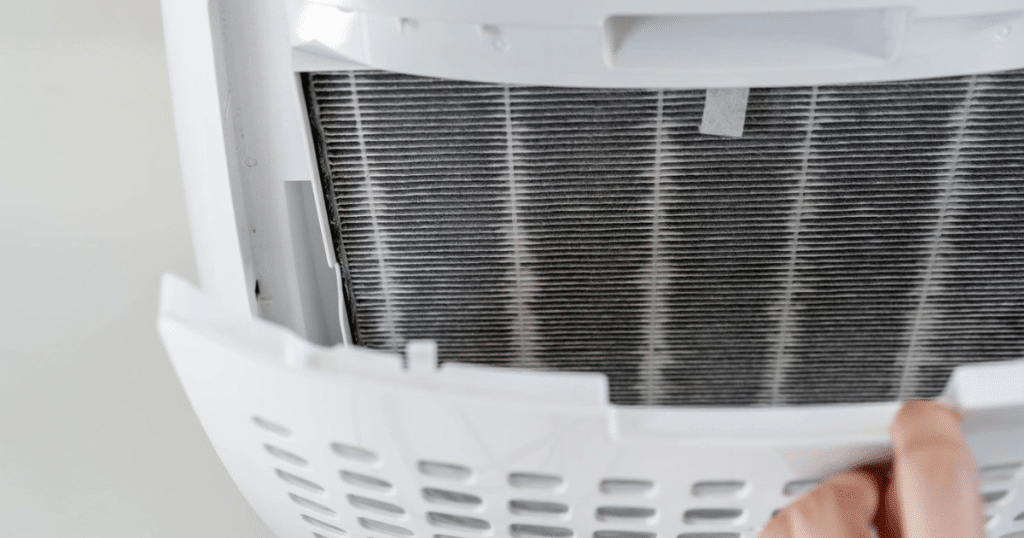
- The outdoor unit’s job is to dump your home’s heat outside. Dirty condenser coils block that, so the AC runs but can’t cool.
- The clearest tell is a unit that runs constantly while the air off the top feels lukewarm, not hot.
- Cleaning the coils is usually a DIY job: cut the power, clear debris, and rinse the fins gently with a garden hose from the inside out.
- Never use a pressure washer, which bends the delicate fins, and always cut power at the disconnect before touching the unit.
- Dirty coils in Bedford are common thanks to grass clippings, dust, and cottonwood. A yearly cleaning keeps the system efficient.
- If the coils are clean and it still won’t cool, the cause is likely low refrigerant or a failing part, both of which are call-a-pro items.
1. The vents are blowing warm or lukewarm air
Symptom: The system is running, but the air from your indoor vents is barely cool or even room temperature.
Most likely cause: Dirty condenser coils. When the coils can’t shed heat outside, the refrigerant returns to the indoor coil still warm, so it can’t absorb much heat from your home. The result is weak, warm airflow inside.
Fix steps: Check the outdoor unit. If the fins are coated in dirt or debris, cut power at the disconnect box and clean them (see Sign 3 for the method). Also confirm the indoor filter is clean, since airflow problems can look similar.
Call a pro if: The coils are clean and the air is still warm, which often points to low refrigerant.
Why is my outdoor AC unit blowing warm air inside
Warm indoor air with a running outdoor unit is a classic dirty-coil sign. To rule out other causes, see why your air conditioner is blowing warm air, and for the full picture read our master guide, Why Your AC Struggles in Texas Heat—and How to Fix It.
2. The unit runs constantly but never catches up
Symptom: The outdoor unit rarely or never shuts off, yet the house stays warmer than your setpoint, especially in the afternoon.
Most likely cause: Dirty coils cutting capacity. When heat can’t escape efficiently, the system has to run far longer to move the same amount of heat, so it runs nonstop and still loses ground on hot days.
Fix steps: Inspect and clean the coils. After cleaning, a healthy unit should start cycling off again once it reaches the setpoint on a normal day.
Call a pro if: It still runs constantly after a thorough cleaning, which may mean low refrigerant or an undersized system.
Why does my AC run all day and never shut off
Constant running is one of the most common dirty-coil symptoms we see. If it persists after cleaning, our cluster Why Won’t My AC Cool Below a Certain Temperature in 100-Degree Texas Heat? 6 Reasons covers the deeper causes.
3. The condenser fins are visibly dirty or clogged
Symptom: You can see grass, leaves, dust, or a gray mat of grime packed into the metal fins on the sides of the outdoor unit.
Most likely cause: Buildup from the yard and air. In Bedford, grass clippings, dust, and cottonwood collect fast, and once the fins are blocked, airflow through the coil drops and so does cooling.
Fix steps: Turn off power at the disconnect box beside the unit. Clear leaves and debris by hand. Gently spray the fins from the inside out with a garden hose (never a pressure washer, which bends them). Straighten any lightly bent fins with a fin comb. Keep two feet of clearance around the unit.
Call a pro if: The fins are heavily bent, or the coil is greasy and grime won’t rinse off, which needs professional coil cleaning.
How to clean dirty condenser coils on an outdoor AC unit
Coil cleaning is the core fix here and it’s very doable. For a seasonal routine, see our outdoor AC unit maintenance guide.
4. The outdoor unit feels hot and the fan air isn’t hot enough
Symptom: The cabinet feels hot to the touch and the air blowing off the top feels only warm, when it should feel distinctly hot on a cooling day.
Most likely cause: Trapped heat from dirty coils. A working unit expels strong hot air as it rejects your home’s heat. When the coils are blocked, that heat stays in the system instead of leaving, so the discharge air is weaker and the cabinet overheats.
Fix steps: Clean the coils and clear all clearance around the unit. Make sure nothing (fence, plants, stored items) is blocking airflow within two feet on any side.
Call a pro if: The unit still runs hot after cleaning, which can signal a failing fan motor or capacitor.
Why is my outdoor AC unit hot but not cooling
An overheating outdoor unit often traces back to dirty coils or a weak fan. See our guides on an AC fan not working and what a capacitor does.
5. Your energy bills have climbed without explanation
Symptom: Your summer electric bill jumped compared to last year, but nothing about how you use the AC has changed.
Most likely cause: Efficiency loss from dirty coils. A system fighting through blocked coils uses far more electricity to deliver the same (or less) cooling. It’s one of the most common hidden causes of a rising bill.
Fix steps: Clean the coils and replace the indoor filter. Cleaner coils let the system reach the setpoint faster and shut off sooner, which lowers runtime and cost.
Call a pro if: Bills stay high after cleaning, which is worth a professional efficiency check.
How dirty condenser coils raise your AC energy bills
Clean coils are one of the cheapest ways to cut cooling costs. A professional energy assessment can quantify the savings, and our master guide, Why Your AC Struggles in Texas Heat—and How to Fix It, covers other efficiency wins.
6. The system overheats and shuts itself off
Symptom: The AC runs for a while, then the outdoor unit shuts down on its own, often during the hottest part of the day, and may restart later once it cools.
Most likely cause: Overheating from restricted airflow. When dirty coils trap too much heat, the compressor can overheat and trip a safety cutout to protect itself, shutting the unit down.
Fix steps: Clean the coils and clear all clearance. Let the unit cool fully before restarting. Cleaner coils keep the compressor from overheating in the first place. If the shutoffs continue on an older system, an energy assessment can help you decide whether repeated repairs are worth it.
Call a pro if: It keeps shutting off after cleaning, since repeated overheating can damage the compressor and needs prompt diagnosis. A compressor that has already been harmed by repeated overheating often makes HVAC replacement the more cost-effective choice than another repair.
Why does my outdoor AC unit keep shutting off in the heat
A unit that overheats and cuts out shouldn’t be ignored. If it’s also freezing at other times, see our cluster Why Is My AC Freezing Up in Summer? 7 Causes of a Frozen Evaporator Coil.
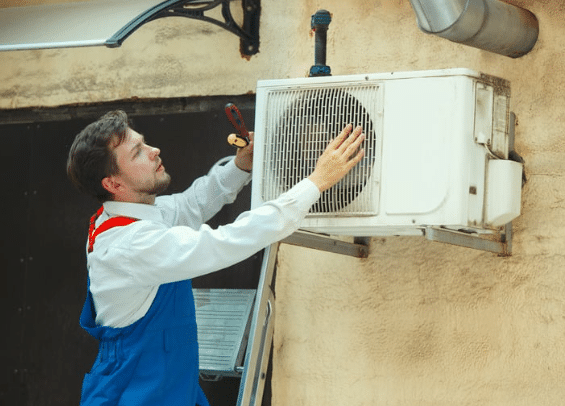
DIY-safe vs. call-a-pro: the outdoor unit
| Task | Safe to DIY | Call a pro |
| Clearing debris around the unit | Yes | N/A |
| Rinsing coil fins with a hose | Yes, power off first | If greasy or won’t rinse clean |
| Straightening lightly bent fins | Yes, with a fin comb | If heavily bent or crushed |
| Checking refrigerant | No, never | Always, requires EPA certification |
| Fan motor or capacitor | No, shock hazard | Always |
| Repeated overheating/shutoff | Clean coils first | If it continues after cleaning |
The bottom line for Bedford homeowners
If your outdoor AC unit is running but not cooling, the odds are strong that dirty condenser coils are the culprit. Walk outside and look: if the fins are packed with grass and grime, cut the power, clear the debris, and rinse the coils gently from the inside out. That single step restores cooling for a huge share of “it runs but won’t cool” calls, and it lowers your bill at the same time. Just remember the two hard rules: power off at the disconnect first, and never a pressure washer.
If the coils are clean and your home still isn’t cooling, the cause is likely low refrigerant or a failing part, and AC Repair DFW can help. Book same-day service or get a free quote and a licensed technician will get your outdoor unit back to full strength.