When the temperature climbs past 100°F in Bedford, TX, the air conditioner becomes the most important appliance in the house. So it is no surprise that this is the exact time AC units fail the most. The hottest week of the year is when systems get pushed the hardest, and any weak part finally gives out. If your home feels sticky and warm even with the system running, you are not alone, and the cause is usually one of a handful of common problems.
This guide breaks down the real AC failure causes that show up across Dallas–Fort Worth every summer. It also covers the early signs AC unit is failing, simple things to check at home, and when it is smarter to call a licensed pro for AC repair instead of guessing. Whether the fix turns out to be a minor HVAC repair or a full HVAC installation, knowing the warning signs early makes all the difference.
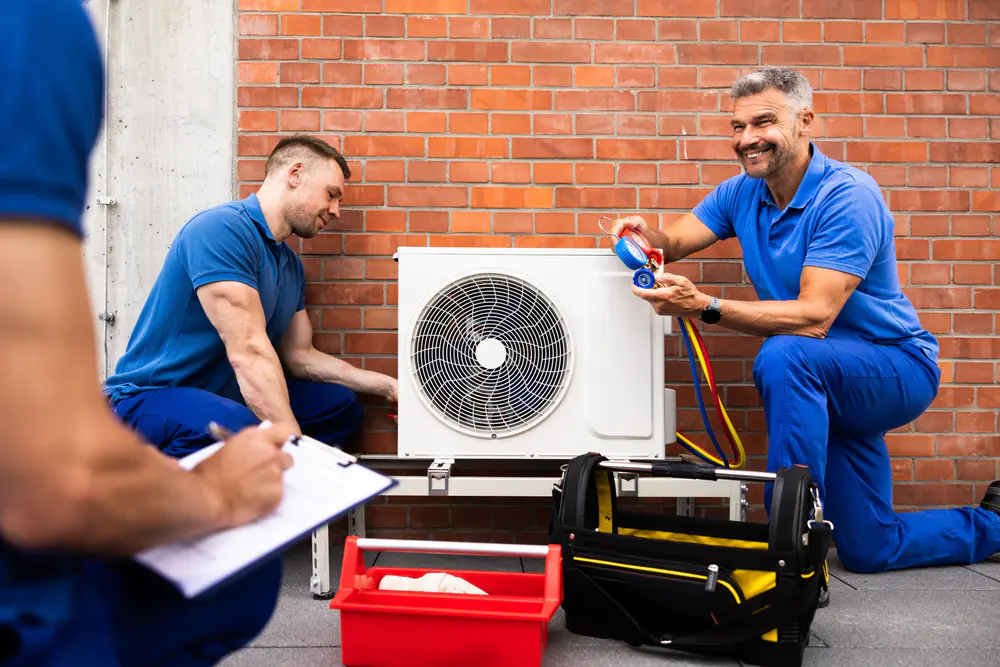
Why Texas Heatwaves Are So Hard on AC Units
A cooling system is designed to remove a set amount of heat per hour. On a mild day, that job is easy. During a DFW heatwave, the outdoor temperature, the attic temperature, and the cooling demand all spike at once. The system runs longer, sometimes all day, with almost no rest.
That nonstop strain is exactly why so many AC units struggle in late June, July, and August. Parts that were “fine” in spring suddenly cannot keep up. So when people search why does my AC not work in hot weather, the honest answer is that extreme heat exposes problems that were already hiding inside the system.
A little prep before summer goes a long way, so be sure to read “How to Prepare Your AC for a Dallas–Fort Worth Summer (Checklist)“ to get your system ready before the heat hits.
Top Reasons AC Units Fail During a Dallas–Fort Worth Heatwave
Here are the most common reasons an AC unit quits or weakens right when it is needed most.
Low Refrigerant and Refrigerant Leaks
Refrigerant is the fluid that actually carries heat out of the home. When the level drops because of a leak, the system loses cooling power fast. The home stays warm, the air from the vents feels lukewarm, and energy bills climb.
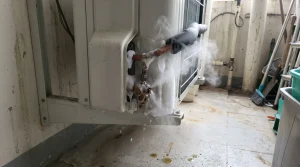
A refrigerant leak is one of the leading reasons AC units fail during a heatwave, because low refrigerant forces the system to run far longer to reach the thermostat setting. Warning signs include hissing sounds, ice on the lines, and weak airflow.
What to check: Look for ice buildup on the copper line near the indoor unit and listen for a faint hissing noise.
Solution: Refrigerant work requires a licensed technician and proper tools, so this is a job for professional AC repair, not a DIY fix. The average cost depends on the leak location and the refrigerant type.
Dirty or Clogged Air Filters
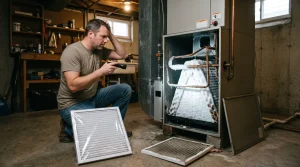
A clogged filter is the cheapest and most preventable cause of cooling trouble. Dust and pet hair block airflow, which makes the system work harder and cool less. In a Bedford summer, a dirty filter can turn into a frozen coil within a single afternoon.
This is a top reason for AC not working in hot weather, and the good news is that it is easy to prevent.
What to check: Pull the filter and hold it up to the light. If light barely passes through, it is overdue.
Solution: Replace the filter every 30 to 60 days during heavy use. This single habit prevents a surprising number of breakdowns.
Frozen Evaporator Coils
When airflow drops or refrigerant runs low, the indoor evaporator coil can get so cold that moisture freezes on it. A block of ice then blocks airflow completely, and the home stops cooling.
A frozen coil is a classic heatwave failure and a common answer to why does my AC not work in hot weather. Ironically, ice inside the unit is one of the clearest signs AC unit is failing under load.
What to check: Look for frost or ice on the indoor coil or the refrigerant line.
Solution: Turn the cooling off, switch the fan to “on” to help the ice melt, then have a technician find the root cause. Running a frozen system can damage the compressor.
A Failing Capacitor (the Most Common Heatwave Culprit)
The capacitor gives the motors the jolt of power they need to start. Heat is brutal on capacitors, and high attic and outdoor temperatures shorten their life. This is why so many AC units fail on the single hottest day, often in the afternoon.
A weak capacitor will cause the outdoor unit to hum but not start, or to start and stop quickly. Among all the AC failure causes, this is one of the most frequent service calls across DFW.
What to check: Listen for a humming or clicking outdoor unit with a fan that will not spin.
Solution: Capacitor replacement is a quick professional job and usually carries a modest average cost. Because capacitors store electricity, this is not a safe DIY task.
Dirty Condenser Coils Outside
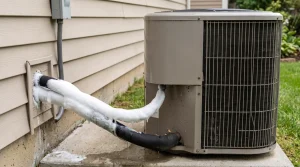
The outdoor unit releases all the heat pulled from the house. When its coils get caked with grass clippings, dust, and cottonwood fuzz, that heat has nowhere to go. The system then runs hot, loses efficiency, and can overheat.
Dirty outdoor coils are a quiet but serious reason AC units lose power during a heatwave.
What to check: Look at the outdoor unit. If the fins are coated in dirt or debris, airflow is blocked.
Solution: Keep at least two feet of clear space around the unit and gently rinse loose debris with a garden hose on low pressure. A deep coil cleaning is best left to a pro.
An Overworked or Failing Compressor
The compressor is the heart of the system. When it overheats or wears out, cooling stops, and repairs get expensive. Heat, low refrigerant, and dirty coils all push the compressor toward failure.
A failing compressor is one of the most costly AC failure causes, which is why catching the smaller problems early matters so much.
What to check: Notice if the outdoor unit gets very hot, trips the breaker, or makes loud clunking sounds.
Solution: This is a professional AC repair issue. On older systems, the average cost of compressor replacement sometimes makes a new system the smarter long-term choice.
Thermostat Trouble
Sometimes the cooling system is fine and the thermostat is the problem. Dead batteries, bad wiring, or a thermostat placed in direct sunlight can all cause an AC unit to behave strangely or shut off early.
A glitchy thermostat is an easy thing to overlook when the home is not cooling.
What to check: Replace the batteries, confirm the setting is on “cool,” and set the temperature several degrees below the room reading.
Solution: If the screen is blank or the system ignores the setting, a technician can test and replace the thermostat at a low average cost.
A Clogged Condensate Drain Line
Air conditioners pull a lot of moisture out of humid Texas air. That water drains away through a line. When algae or sludge clogs the line, many systems shut off automatically to prevent water damage, or they leak near the indoor unit.
This is a sneaky reason for AC not working in hot weather, especially in older homes around Bedford.
What to check: Look for standing water or a wet area near the indoor air handler.
Solution: A clear drain line prevents auto shutoffs and water damage. A technician can flush the line during a routine visit.
Electrical and Breaker Problems
Heat increases electrical load, and worn wiring, loose connections, or a tripped breaker can shut the system down. A breaker that trips again right after being reset is a warning, not a quick fix.
Electrical faults are among the more serious AC failure causes because they can be a safety hazard.
What to check: See whether the breaker for the unit has tripped, but do not keep resetting it.
Solution: If the breaker trips repeatedly, stop and call a licensed pro. Repeated resets can damage the system or create a fire risk.
Old Age, Wrong Size, and Skipped Maintenance
Even well-built AC units wear out, usually after 12 to 15 years. A system that is too small for the home will run constantly and still lose the battle on the hottest days. And a system that never gets a tune-up slowly loses efficiency until it finally quits.
Skipped maintenance is the root cause behind a huge share of the reasons AC units fail. Most breakdowns are the end result of small, ignored problems.
What to check: Note the age of the system and how long it has been since the last professional tune-up.
Solution: A yearly maintenance visit catches small issues early. For very old systems, the average cost of constant repairs may be higher than upgrading to an efficient model.
If the system is running but the house still feels warm, take a look at “AC Running but Not Cooling? Common Causes in Dallas–Fort Worth Homes“ for a closer look at what could be going on.
Early Signs Your AC Unit Is Failing
Catching trouble early is far cheaper than an emergency call during a heatwave. The most common signs AC unit is failing include:
- Warm or weak air coming from the vents
- Longer run times that never reach the set temperature
- Short cycling, where the system turns on and off quickly
- Strange smells, buzzing, clicking, or grinding sounds
- Ice on the indoor coil or refrigerant line
- Water pooling near the indoor unit
- A sudden jump in the electric bill
Noticing even one of these signs AC unit is failing during a Bedford summer is a strong reason to schedule service before a full breakdown.
Small changes can also ease the strain on the system, so check out “Best Thermostat Settings for Summer in North Texas” to keep your home cool without overworking your AC unit.
Simple Steps to Avoid AC Failure in Bedford, TX
A few easy habits prevent most heatwave breakdowns:
- Change the air filter every 30 to 60 days during peak season.
- Keep the outdoor unit clear of grass, weeds, and debris.
- Schedule a professional tune-up every spring, before the first heatwave.
- Keep blinds closed on the sunny side of the house to lower the cooling load.
- Set the thermostat to a steady temperature instead of large up-and-down swings.
These small steps reduce the strain that makes AC units fail when temperatures spike. For homes in Bedford and the wider Mid-Cities area, a spring tune-up is the single best defense against an AC not working in hot weather emergency.
When to Call a Pro for AC Repair
Some checks are safe for any homeowner: swapping the filter, resetting the thermostat, or rinsing loose debris off the outdoor unit. Anything involving refrigerant, electrical parts, the compressor, or repeated breaker trips calls for a licensed technician.
If the home is still not cooling after the basic checks, that is the moment to book professional AC repair. A trained technician can pinpoint the exact AC failure causes, fix them safely, and explain the average cost before any work begins. Acting early often turns a major repair into a minor one.
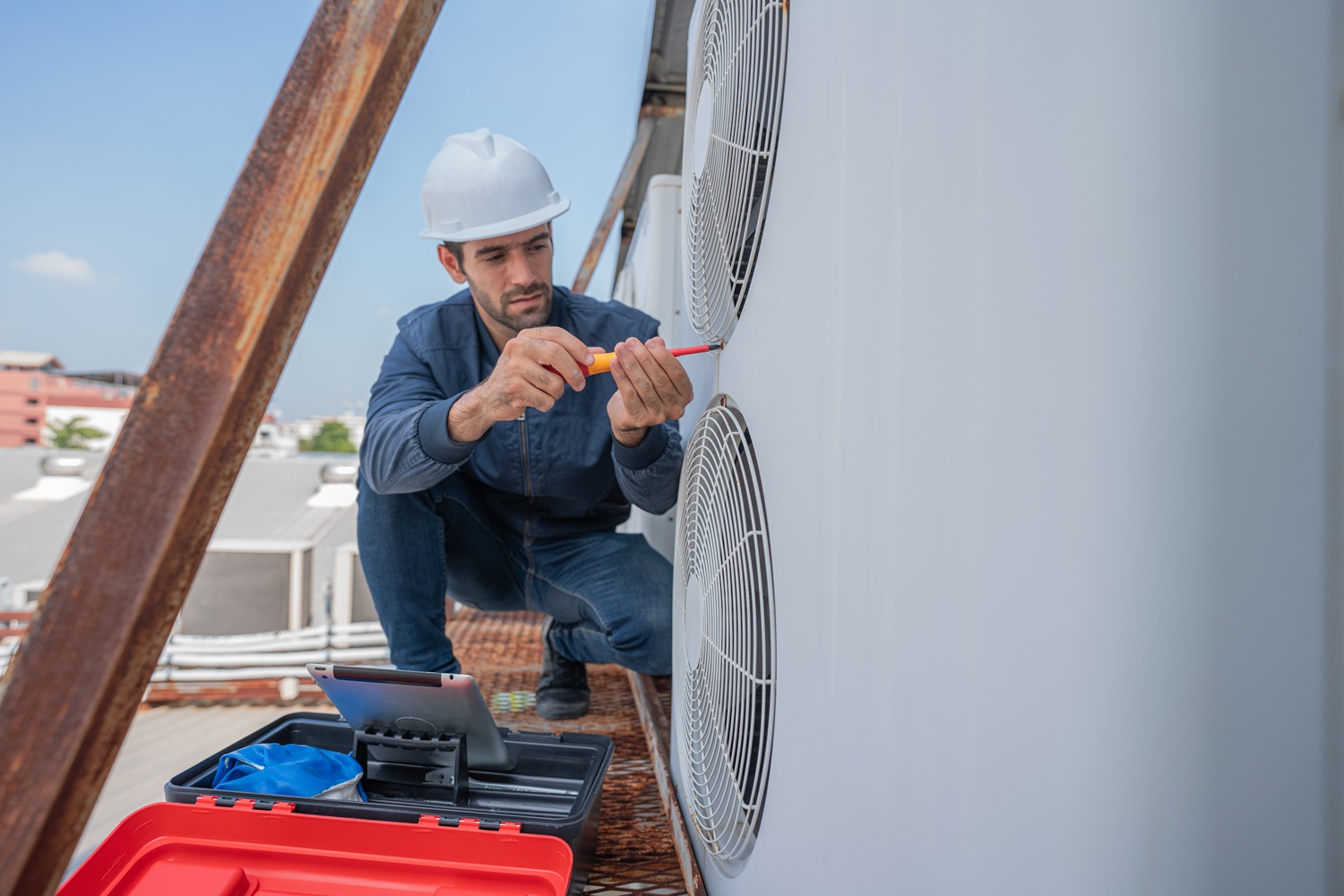
Stay Ahead of AC Failure Before the Next Bedford Heatwave
DFW summers are not gentle, and the heat finds every weak point in a cooling system. Most reasons AC units fail trace back to low refrigerant, dirty filters and coils, a tired capacitor, or skipped maintenance. The homeowners who stay cool are the ones who learn the signs AC unit is failing, handle the simple checks, and call a pro for the rest.
So the next time the question comes up, why does my AC not work in hot weather, the answer is usually a small problem that grew under heavy load. Catch it early, keep up with maintenance, and a Bedford home can stay comfortable even during the worst heatwave. For aging systems, a professional energy assessment can reveal whether a smart HVAC replacement would cool the home better and lower summer bills at the same time.
Trusted AC Repair in the Dallas–Fort Worth Area
When the heat is at its worst, the team at AC Repair DFW is ready to help homeowners in Bedford and across the Mid-Cities stay cool and comfortable. With experienced technicians, honest answers, and fast service, we take the stress out of summer breakdowns and get your system back to full strength quickly. From routine tune-ups to emergency fixes, the goal is always the same: reliable cooling and real peace of mind. Do not wait for a small problem to turn into a major failure during the next heatwave. Contact us today or give us a call to schedule your AC repair or maintenance visit.