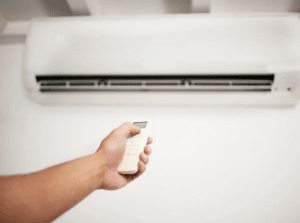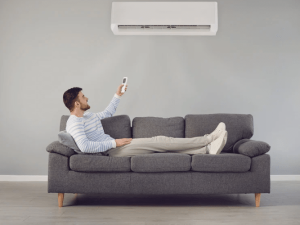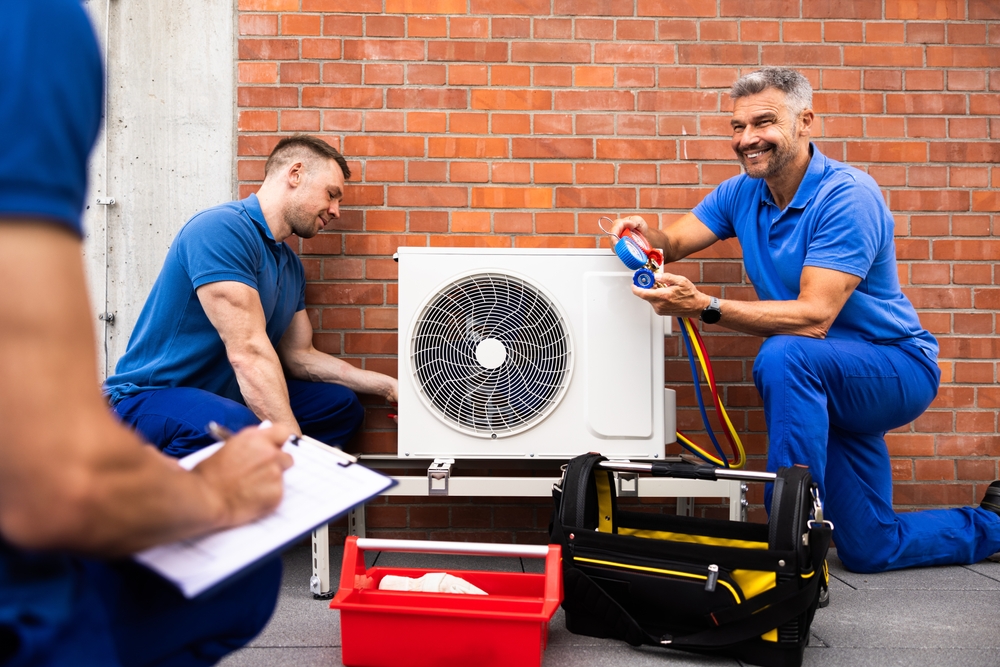
HVAC problems rarely happen at a convenient time. Many homeowners notice issues late at night, during weekends, or right when temperatures reach uncomfortable extremes, often leading to unexpected HVAC repair needs. In Bedford, where summers can be intensely hot and winters can occasionally bring sudden cold snaps, a malfunctioning heating or cooling system can quickly become more than just an inconvenience.
Not every HVAC issue requires an emergency call. Some problems may feel urgent but can safely wait until regular service hours, while others can pose serious risks to health, safety and property. Understanding the difference helps homeowners make better decisions, avoid unnecessary costs and protect their systems from further damage.
This guide explains what qualifies as an HVAC emergency, which issues can wait, what to safely check before calling for help and how to prevent future problems. The information is based on real-world HVAC experience and tailored to the conditions commonly seen in Bedford homes, helping homeowners know when professional HVAC repair is truly necessary.
What Is Considered an HVAC Emergency After Hours
An HVAC emergency is any situation that creates a safety hazard, risks property damage, or leaves a home without heating or cooling during extreme weather conditions.
Quick Answer:
An HVAC emergency includes:
- Complete loss of cooling during extreme heat
- No heating during cold temperatures
- Burning or electrical smells
- Carbon monoxide risks
- Water leaks or system flooding
- Loud mechanical failures
If the issue affects safety or could cause serious damage, immediate professional attention is necessary.
For more guidance on deciding urgency, check out the blog “Is This HVAC Emergency or Can It Wait Overnight.”
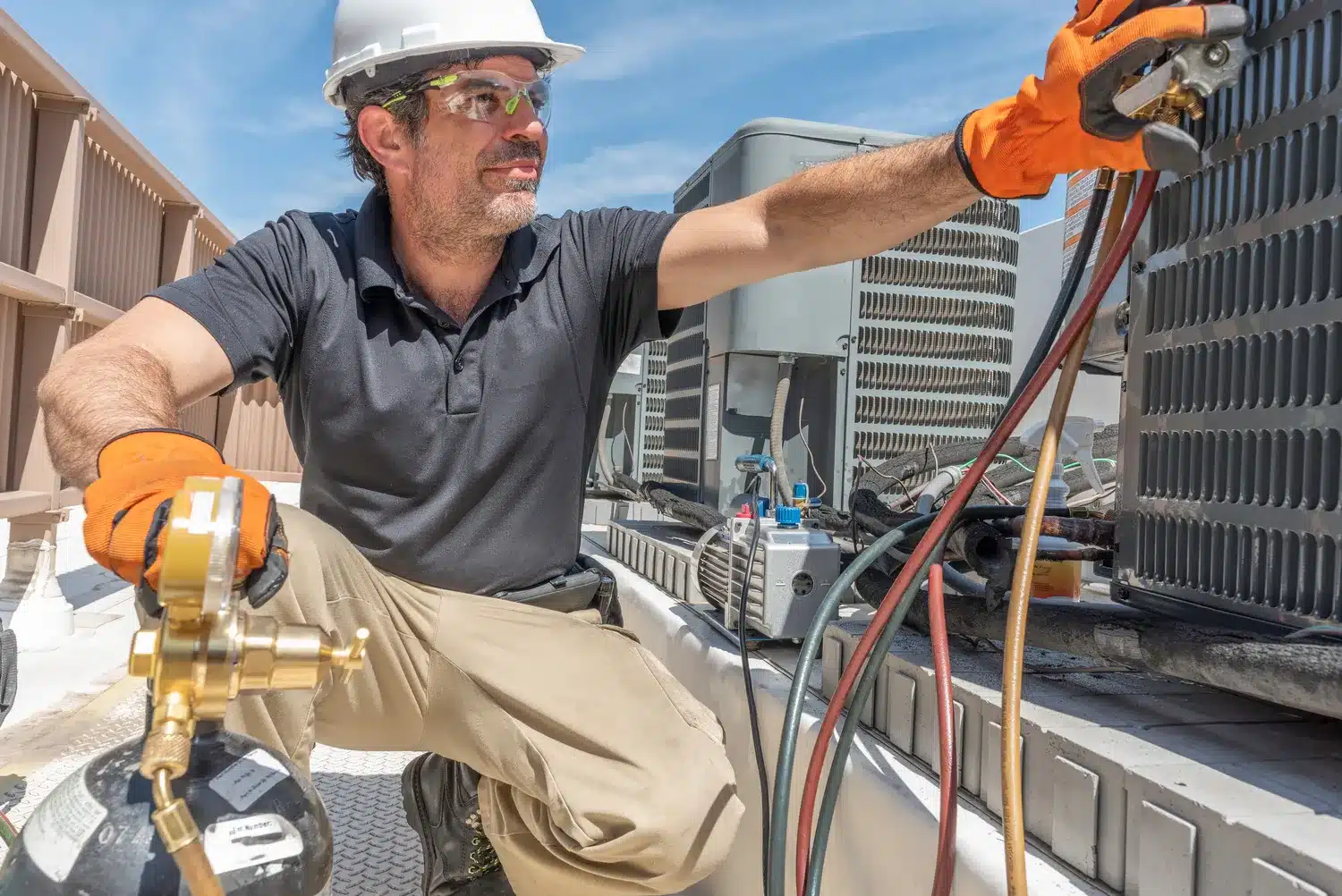
Why After-Hours HVAC Decisions Matter
Calling for emergency HVAC service often comes with higher service fees, but waiting too long can lead to bigger repairs or unsafe conditions. The key is knowing when immediate action prevents greater problems.
In Bedford, high summer temperatures can push indoor conditions into unsafe ranges within hours. Similarly, a heating failure during a cold front can create risks for plumbing and indoor comfort. Making the right call at the right time can protect both the home and the people inside it.
For a deeper understanding of urgent situations, explore the blog “What Counts as an HVAC Emergency After Hours.”
7 HVAC Problems That Are TRUE Emergencies (Call Immediately)
1. Complete AC Failure During Extreme Heat
During peak summer in Bedford, indoor temperatures can rise quickly when the AC stops working. This is especially dangerous for vulnerable individuals such as children, seniors and pets.
Common causes:
- Compressor failure
- Electrical issues
- Refrigerant problems
What to check:
- Thermostat is set correctly
- Breaker has not tripped
- Air filter is not clogged
If these checks do not resolve the issue, emergency service is recommended.
Prevention tip:
Schedule professional AC maintenance before summer to reduce the risk of sudden breakdowns.
For more clarity on timing your service call, read the blog “When Should You Call for an HVAC Emergency.”
2. No Heat During Cold Weather
While Texas winters are generally mild, sudden temperature drops can make indoor conditions uncomfortable or even unsafe.
Risks include:
- Frozen pipes
- Health concerns for vulnerable individuals
What to check:
- Thermostat batteries
- Furnace switch
- Circuit breaker
If the system does not respond, professional service is needed.
Prevention tip:
Annual heating system inspections help identify worn components before winter.
3. Burning Smell or Electrical Odor
A burning smell can indicate overheating components, damaged wiring, or motor failure.
Why this is serious:
- Potential fire hazard
- Risk of system damage
Immediate steps:
- Turn off the system
- Avoid restarting it
- Contact an HVAC technician
Ignoring this issue can lead to more severe damage or safety risks.
4. Carbon Monoxide Concerns
Gas-powered heating systems can produce carbon monoxide if malfunctioning.
Warning signs:
- Headaches or dizziness
- Nausea
- Carbon monoxide detector alarms
Critical action:
Leave the home immediately and seek emergency assistance.
This is one of the most serious HVAC-related risks and should never be ignored.
5. Refrigerant Leaks
Refrigerant leaks affect cooling performance and can damage the system over time.
Signs include:
- Hissing sounds
- Ice forming on coils
- Reduced cooling
Why urgent:
Running the system with low refrigerant can cause compressor failure, leading to higher repair costs.
6. HVAC System Causing Water Leaks or Flooding
Water around the HVAC unit often signals a clogged drain line or frozen evaporator coil.
Potential damage:
- Mold growth
- Ceiling and wall damage
- Structural issues
Prompt attention helps prevent costly repairs beyond the HVAC system.
7. Loud Grinding, Banging, or Screeching Sounds
Unusual loud noises often indicate internal mechanical failure.
Possible causes:
- Loose components
- Motor issues
- Broken parts
Tip:
Turning off the system immediately can prevent further damage.
5 HVAC Issues That Can Usually Wait Until Morning
1. Weak Airflow
Often caused by dirty filters or blocked vents, this issue is usually not urgent.
2. Uneven Cooling or Heating
Temperature differences between rooms may indicate airflow or duct issues.
3. Thermostat Malfunctions
Display problems or incorrect readings can often wait for scheduled service.
4. Mild Noises
Light rattling or humming may not signal immediate danger but should still be inspected.
5. Gradual Increase in Energy Bills
This typically indicates efficiency problems rather than immediate system failure.
How to Tell If Emergency HVAC Service Is Needed
A simple checklist can help determine urgency:
- Is safety at risk?
- Could this cause damage to the home?
- Is the temperature extreme?
If the answer is yes to any of these, emergency service is recommended.
What Can Be Safely Checked Before Calling
Basic troubleshooting steps can sometimes resolve minor issues or confirm the need for professional help.
Safe checks include:
- Thermostat settings and batteries
- Circuit breaker
- Air filter condition
- Open and unobstructed vents
These steps should not replace professional diagnosis but can help rule out simple causes.
Common HVAC Mistakes That Lead to Emergencies
Many HVAC emergencies are preventable and often result from overlooked maintenance or small issues that were ignored.
Ignoring Early Warning Signs
Unusual noises or inconsistent temperatures often indicate developing problems.
Skipping Regular Maintenance
Lack of routine service can lead to unexpected breakdowns.
Running the System with Dirty Filters
Restricted airflow forces the system to work harder, increasing wear and tear.
Delaying Repairs
Small issues can quickly become major failures when left unaddressed.
Average Cost of After-Hours HVAC Emergency in Bedford, TX
Emergency HVAC services typically cost more than standard appointments due to after-hours availability.
Factors that influence cost:
- Time of service (night, weekend, holiday)
- Type of repair needed
- Replacement parts required
On average, emergency service calls come with higher fees, while major repairs or component replacements can increase total costs. Preventive maintenance remains the most cost-effective approach.
How to Prevent HVAC Emergencies
Schedule Seasonal Maintenance
Routine inspections before summer and winter help identify potential issues early.
Replace Air Filters Regularly
Replacing filters every 1–3 months improves airflow and efficiency.
Keep Outdoor Units Clear
Removing debris ensures proper airflow and system performance.
Install a Smart Thermostat
Smart systems can detect irregular patterns and improve efficiency.
Monitor System Performance
Pay attention to unusual behavior, including sounds and temperature changes.
Seasonal HVAC Tips for Bedford, TX Homeowners
Summer Tips
- Keep blinds closed during peak heat
- Avoid overworking the system by setting moderate temperatures
- Ensure proper insulation
Winter Tips
- Check heating systems before cold fronts
- Seal drafts around doors and windows
- Keep vents open and unobstructed
Why Bedford, TX Homes Are Prone to HVAC Emergencies
Homes in Bedford face unique challenges due to climate conditions. Extended periods of heat place heavy demand on air conditioning systems, while occasional cold snaps can stress heating systems that are used less frequently.
Dust and debris common in the area can clog filters and reduce efficiency, increasing the likelihood of system strain. Regular maintenance is especially important to keep systems running efficiently year-round.
When to Call a Professional HVAC Technician
Professional HVAC technicians are trained to safely diagnose and repair complex system issues.
Benefits of professional service:
- Accurate diagnostics
- Safe handling of electrical and refrigerant components
- Long-term system reliability
- Comprehensive system evaluation, including a structure energy review to identify efficiency issues
Attempting advanced repairs without proper training can lead to further damage or safety risks.
Real-Life Scenarios: Urgent vs Non-Urgent
Scenario 1: AC Stops at Midnight in Summer
- Indoor temperature rising quickly
- Emergency service recommended
Scenario 2: Slight Airflow Issue at Night
- No safety risk
- Can wait until morning
- Consider scheduling an energy assessment to identify airflow inefficiencies
Scenario 3: Burning Smell from Vents
- Immediate shutdown required
- Emergency service necessary
Scenario 4: Uneven Cooling in Bedrooms
- Not urgent
- Schedule regular service
- An energy assessment can help pinpoint insulation or duct issues
How to Tell If Your HVAC Issue Is Urgent or Can Wait
Knowing the difference between an HVAC emergency and a minor issue helps homeowners make smarter decisions. Urgent problems such as system failure during extreme weather, electrical smells, or safety concerns should always be addressed immediately and in some cases may even require full HVAC replacement if the system is beyond repair.
Less critical issues, such as airflow problems or thermostat malfunctions, can typically wait for scheduled service. Taking proactive steps like regular maintenance, filter replacement and monitoring system performance can significantly reduce the risk of unexpected breakdowns and delay the need for costly HVAC replacement.
For homeowners in Bedford, staying informed and prepared is key to maintaining comfort, safety and long-term HVAC efficiency.
Reliable HVAC Service You Can Trust in Bedford, TX
When professional help is needed, AC Repair DFW is a trusted choice for fast, reliable service in Bedford and surrounding areas. With experienced technicians and a strong focus on customer care, we provide dependable solutions for both emergency situations and routine HVAC concerns. Don’t wait until a small issue becomes a major problem. Schedule a service with us today and keep your home comfortable year-round. Contact us today or give us a call to get started.