Heating and cooling systems are essential for maintaining comfort, safety and indoor air quality throughout the year. In Bedford, TX, where summers bring intense heat and winters can shift quickly with unexpected cold fronts, HVAC systems are often pushed to their limits, making timely HVAC repair essential to avoid serious issues.
When something goes wrong, it can be difficult to tell whether the issue is urgent or something that can wait until regular service hours. Acting too slowly can lead to safety risks or costly damage, while overreacting may result in unnecessary emergency service calls.
This guide explains when to call for an HVAC emergency, how to recognize warning signs, what to check first and when professional HVAC repair may be needed to restore comfort and safety.
What Counts as an HVAC Emergency
An HVAC emergency is any situation where the system:
- Stops working during extreme temperatures
- Creates a safety hazard (fire, gas, or electrical risk)
- Shows signs of serious mechanical failure
- Affects indoor air quality in a harmful way
Common HVAC emergency signs include:
- Complete AC failure during extreme heat
- No heating during freezing conditions
- Burning smells or electrical odors
- Refrigerant leaks or ice buildup
- Loud grinding, banging, or screeching sounds
If safety, health, or extreme discomfort is involved, the situation should be treated as urgent.
For more guidance on urgent vs non-urgent situations, check out the blog After-Hours HVAC Emergency: What’s Urgent vs What Can Wait.
Why HVAC Emergencies Are Common in Bedford, TX
The climate in Bedford, TX creates unique challenges for HVAC systems.
Summer Strain on Cooling Systems
- Long periods of high temperatures
- Continuous AC operation
- Increased wear on compressors and motors
Winter System Stress
- Sudden temperature drops
- Less frequent heater use leading to unnoticed issues
- Risk of frozen components
Humidity and Airflow Issues
- Moisture buildup
- Drain line clogs
- Reduced system efficiency
Because of these conditions, HVAC systems in Bedford often experience higher demand, making regular maintenance and early detection critical.
To better understand if a problem can wait, read Is This HVAC Emergency or Can It Wait Overnight.
7 Signs You Should Call for an HVAC Emergency Right Away
1. Your AC Stops Working During Extreme Heat
When an air conditioning system fails during a Texas summer, indoor temperatures can rise quickly. This is more than just uncomfortable; it can become dangerous.
Why this is an emergency:
- Risk of heat exhaustion or heat-related illness
- Unsafe conditions for children, elderly individuals and pets
- Indoor temperatures can climb rapidly
What to check first:
- Thermostat settings (cool mode, correct temperature)
- Circuit breaker (reset if tripped)
- Air filter (replace if clogged)
If these steps do not restore cooling, emergency service is likely needed.
Prevention tip:
Schedule AC maintenance in spring to prepare for peak summer demand.
Learn more about urgent after-hours situations in What Counts as an HVAC Emergency After Hours.
2. You Smell Burning or Electrical Odors
A burning smell coming from the HVAC system is a serious warning sign that should never be ignored.
Possible causes:
- Overheating motor
- Damaged wiring
- Electrical component failure
Why it is urgent:
- Potential fire hazard
- Risk of further system damage
Immediate action:
- Turn off the system
- Avoid using it until inspected
How to prevent this:
Routine inspections help identify worn electrical components before they fail.
3. No Heat During a Cold Front
Even in Texas, winter temperatures can drop quickly. A heating system failure during a cold front can create unsafe living conditions.
Risks include:
- Indoor discomfort and health concerns
- Frozen pipes
- Increased humidity issues
What to check:
- Thermostat batteries
- System settings
- Power supply
If the heater still does not function, emergency service may be required.
Prevention tip:
A fall heating tune-up helps ensure reliable operation before cold weather arrives.
4. Loud or Unusual Noises From the System
HVAC systems should run relatively quietly. Loud or unusual noises often indicate serious internal issues.
Common sounds and meanings:
- Banging: loose or broken components
- Screeching: worn belts or motor issues
- Grinding: mechanical failure
Why it matters:
- Continued operation can worsen damage
- May lead to complete system failure
What to do:
Turn off the system and seek professional evaluation.
Tip:
Address small noises early before they escalate.
5. Refrigerant or Water Leaks Around the Unit
Moisture around an HVAC unit is not always a problem, but excessive leaks should be taken seriously.
Types of leaks:
- Water from clogged drain lines
- Refrigerant leaks affecting system performance
Why it is urgent:
- Refrigerant exposure can affect indoor air quality
- Leaks can damage surrounding areas
- System efficiency drops significantly
What to check:
- Drain line blockage
- Ice buildup on coils
- Visible pooling
Prevention tip:
Regular maintenance helps keep coils and drain lines clean.
6. Weak or No Airflow From Vents
Poor airflow reduces comfort and may signal underlying system problems.
Possible causes:
- Dirty air filters
- Blocked ducts
- Failing blower motor
Why it can become urgent:
- System overworks, increasing risk of breakdown
- Uneven cooling or heating
What to check:
- Replace air filter
- Open all vents
- Check for obstructions
Prevention tip:
Consistent filter changes improve airflow and system efficiency.
7. Sudden Spike in Energy Bills With Poor Performance
A noticeable increase in energy usage without improved comfort is often a warning sign.
What it may indicate:
- System inefficiency
- Failing components
- Refrigerant issues
Why it matters:
- System may be close to failure
- Higher operational costs
What to check:
- Thermostat settings
- Usage patterns
Prevention tip:
An energy assessment can identify hidden inefficiencies early.
Real-Life HVAC Emergency Scenarios in Bedford, TX
Understanding real-world situations can make it easier to decide when to call for help.
Scenario 1: AC Stops at Midnight in Summer
- Indoor temperature rising quickly
- High humidity levels
Action: Emergency service recommended
Scenario 2: Slight Airflow Issue at Night
- No safety concerns
- Minimal discomfort
Action: Can wait until morning
Scenario 3: Burning Smell From Vents
- Strong odor present
- Possible electrical issue
Action: Turn off system and call immediately
Scenario 4: Uneven Cooling in Bedrooms
- Mild comfort issue
Action: Schedule regular service
HVAC Problems That Can Usually Wait
Not every issue requires immediate attention.
Examples of non-emergency issues:
- Minor thermostat malfunctions
- Slight airflow imbalance
- Gradual performance decline
These problems should still be addressed but can usually wait for standard service hours.
What to Do Before Calling for Emergency HVAC Repair
A few simple checks can sometimes resolve the issue or confirm the need for professional help.
Quick troubleshooting checklist:
- Ensure thermostat is set correctly
- Check circuit breaker
- Replace dirty air filter
- Confirm vents are open
If the problem continues, it is best to contact a professional technician.
Important reminder:
Avoid attempting complex repairs involving electrical or refrigerant components.
How to Prevent HVAC Emergencies in Bedford, TX
Prevention is the most effective way to avoid costly and stressful HVAC emergencies.
Schedule Seasonal Maintenance
Routine maintenance helps detect small issues before they become major problems.
- Spring: Prepare cooling system
- Fall: Prepare heating system
Replace Air Filters Regularly
Dirty filters restrict airflow and strain the system.
- Replace every 1–3 months
- Check more often during heavy use
Keep Outdoor Units Clean
Debris around outdoor units can block airflow.
- Remove leaves and dirt
- Maintain clear space around the unit
Get an Energy Assessment
An energy assessment helps identify inefficiencies and potential issues.
Benefits include:
- Improved system performance
- Lower energy usage
- Early problem detection
Know When to Consider HVAC Replacement
Older systems are more prone to breakdowns.
Signs replacement may be needed:
- Frequent repairs
- Reduced efficiency
- System age over 10–15 years
Upgrading can improve comfort and reliability.
HVAC Repair vs HVAC Replacement: How to Decide
Sometimes an emergency reveals a bigger issue.
Repair may be best if:
- Problem is minor
- System is relatively new
- Repair improves performance
Replacement may be better if:
- System frequently breaks down
- Energy efficiency is low
- Repair costs are high compared to system value
A professional evaluation can help determine the best option.
Why Professional HVAC Service Matters
HVAC systems involve complex components that require proper training and a professional structure energy review can help identify inefficiencies and hidden issues within the system.
Benefits of hiring a professional:
- Accurate diagnosis
- Safe repairs
- Long-term reliability
Attempting advanced repairs without proper knowledge can lead to further damage and safety risks.
Average Cost of Emergency HVAC Repairs (General Guide)
Emergency HVAC repair costs vary depending on the issue.
- Minor repairs: lower range
- Moderate repairs: mid-range
- Major repairs: higher range
Emergency service calls may include additional fees due to after-hours availability.
Tip:
Preventive maintenance and a regular energy assessment are typically more affordable than emergency repairs, helping identify issues before they become costly problems.
Stay Prepared and Act Quickly
HVAC emergencies can happen without warning, especially in climates like Bedford, TX where weather conditions can be demanding. In some cases, severe system failures may require not just repairs but a full HVAC replacement to restore reliable comfort.
Recognizing early warning signs, performing simple checks and scheduling regular maintenance can make a significant difference. Acting quickly when serious issues arise helps protect both the home and the people inside it.
With the right knowledge and preparation, homeowners can stay comfortable, safe and ready to handle HVAC problems at any time of the year, whether it involves minor fixes or a necessary HVAC replacement.
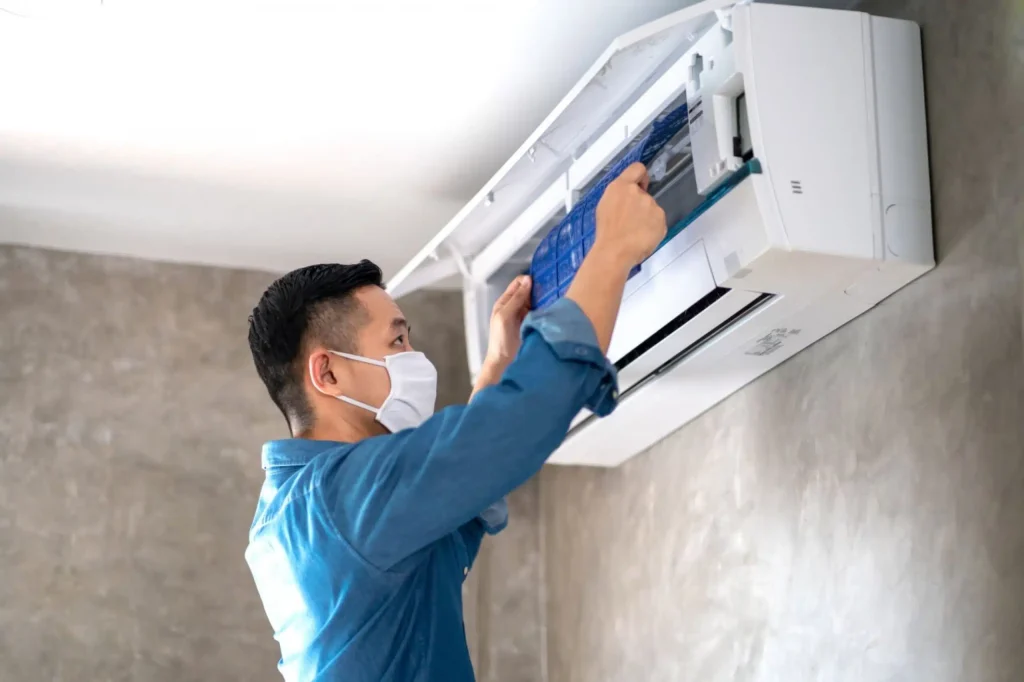
Trusted HVAC Experts You Can Rely On in Bedford, TX
For homeowners who need dependable service, AC Repair DFW has built a strong reputation for providing reliable heating and cooling solutions backed by years of hands-on experience. From emergency HVAC repair to routine maintenance and system replacement, our team focuses on fast response, accurate diagnostics and long-term comfort. If an HVAC issue cannot wait, do not hesitate to contact a trusted professional. Contact us today or give us a call to restore comfort quickly.