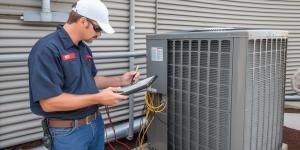
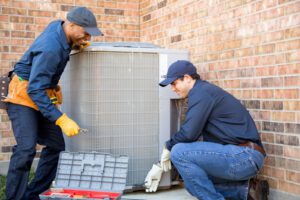
When an HVAC system is running but not cooling during a Bedford, TX summer, the situation quickly becomes uncomfortable. The system sounds normal. Air is blowing from the vents. But the air feels warm, and indoor temperatures keep rising.
In North Texas, where summer temperatures regularly climb into the high 90s and beyond, a cooling system that runs without lowering the temperature is more than an inconvenience. It is often an early warning sign of a mechanical issue, airflow problem, refrigerant imbalance, or even improper hvac installation that affects system performance from the start.
In most cases, this problem is caused by restricted airflow, low refrigerant, thermostat errors, electrical component failure, lack of maintenance, or mistakes during hvac installation, such as incorrect system sizing or duct configuration. Identifying the root cause early helps prevent more serious damage and higher repair costs.
Below are the most common reasons an HVAC system runs but does not cool, along with what to check and how to prevent the issue.
Thermostat Settings Are Incorrect or Malfunctioning
One of the simplest and most overlooked causes involves the thermostat.
If the thermostat is set to “Fan On” instead of “Auto,” the fan will run continuously, even when the system is not actively cooling. This can make it feel like the air conditioner is working when it is not producing cold air.
Other thermostat-related issues include:
- Incorrect temperature setting
- Dead batteries
- Wiring problems
- Calibration errors
- Faulty temperature sensors
Smart thermostats can also experience software glitches that interrupt the cooling cycle.
What to check:
- Confirm the system is set to “Cool.”
- Ensure the fan is set to “Auto.”
- Replace thermostat batteries
- Lower the temperature setting by a few degrees and wait several minutes
If the system does not respond correctly, thermostat replacement may be necessary. Average thermostat replacement typically ranges in the lower hundreds, depending on the model.
In Bedford’s long cooling season, having the thermostat inspected during annual HVAC maintenance helps prevent unexpected issues.
For more early red flags that signal deeper system trouble, read the related guide, Warning Signs Your HVAC System Is About to Quit, to catch problems before they turn into a full breakdown.

Dirty Air Filter Causing Restricted Airflow
A clogged air filter is one of the most common reasons an AC system runs but does not cool.
Airflow is critical for proper cooling. When the filter becomes packed with dust, pollen, and debris, it restricts return air. This causes reduced cooling performance and can even lead to a frozen evaporator coil.
In Bedford, TX, airborne dust, construction activity, and seasonal allergens can clog filters faster than homeowners expect.
Signs of a clogged air filter:
- Weak airflow from vents
- Warm air despite the system running
- Ice buildup on refrigerant lines
- Higher energy bills
What to check:
Remove the air filter and inspect it against light. If light cannot pass through, replacement is necessary.
Most homes in Bedford benefit from replacing filters every 1 to 3 months during peak summer.
Ignoring airflow issues can lead to coil freezing and compressor strain, which significantly increases repair complexity.
For a deeper breakdown of system performance warning signals, explore the related guide, How Do You Know If Your HVAC System Is Failing?, to understand when small issues point to bigger problems.
Low Refrigerant Due to a Leak
Refrigerant is the substance that absorbs heat from inside the home and releases it outdoors. If refrigerant levels drop due to a leak, the system may continue running but will struggle to cool effectively.
Unlike fuel, refrigerant does not get “used up.” Low levels usually indicate a leak.
Common signs of low refrigerant:
- Warm air from vents
- Ice on evaporator coil
- Hissing sounds
- Longer cooling cycles
- Rising indoor humidity
Texas heat places extra demand on refrigerant systems. When the refrigerant is low, the system works harder, increasing wear on the compressor.
Refrigerant repairs require licensed HVAC professionals due to federal regulations and environmental safety standards.
Average refrigerant-related repairs vary depending on leak location and severity, but early detection prevents larger system damage.
Annual inspections help identify minor leaks before they escalate.
If unusual sounds are coming from the system along with cooling issues, read What Noises Mean Your HVAC System Is in Trouble? to understand which sounds signal serious mechanical problems.
Dirty or Blocked Outdoor Condenser Unit
The outdoor condenser unit plays a critical role in releasing heat absorbed from inside the home. If the condenser coil is coated in dirt or blocked by debris, heat cannot escape efficiently.
In Bedford, common causes include:
- Grass clippings
- Cottonwood buildup
- Dust accumulation
- Shrubs planted too close
- Fence obstruction
When heat cannot dissipate properly, the system runs longer but produces less cooling.
What to check:
- Ensure at least two feet of clearance around the unit
- Remove visible debris
- Check for excessive dirt on coil fins
Professional condenser coil cleaning may be necessary if the buildup is heavy. Routine cleaning is far less costly than compressor replacement caused by overheating.
Frozen Evaporator Coil
It may seem unusual, but ice formation inside the system is common during extreme heat.
A frozen evaporator coil blocks proper heat absorption. When this happens, air continues to blow, but cooling performance drops significantly.
Freezing is usually caused by:
- Restricted airflow
- Dirty filters
- Low refrigerant
- Blocked return vents
Warning signs:
- Ice on refrigerant lines
- Water is pooling near the indoor unit
- Sudden drop in airflow
Turning the system off temporarily allows the ice to melt, but the root cause must be addressed. Repeated freezing places stress on the compressor and can lead to system failure.
Electrical or Capacitor Failure
Electrical components allow the compressor and fan motors to start and operate properly.
In Bedford’s high summer temperatures, capacitors often fail due to heat stress. When a capacitor weakens, the fan may run while the compressor fails to engage.
Symptoms include:
- Humming sound from the outdoor unit
- The system is running, but no cool air
- Intermittent cooling
- System short cycling
Electrical repairs should never be attempted without proper training. HVAC systems operate under high voltage.
Average electrical component repairs vary depending on part replacement, but addressing the issue early prevents compressor burnout.
Leaky or Damaged Ductwork
Cooled air travels through ductwork before reaching living spaces. If ducts are leaking, disconnected, or poorly insulated, cooled air may escape into the attic.
This is especially common in older Bedford homes.
Signs of duct issues:
- Uneven room temperatures
- Hot spots in certain rooms
- High energy bills
- Excessive attic heat
Even if the HVAC unit is working properly, duct leakage can reduce cooling efficiency significantly.
Professional duct inspections and sealing improve comfort and reduce strain on the system.

Compressor Problems
The compressor is the heart of the cooling system. If it begins to fail, the system may continue running without effectively cooling the home.
Common signs:
- Loud clanking or rattling
- The outdoor unit struggles to start
- Warm air despite the fan running
- Frequent breaker trips
Compressor problems often develop after prolonged refrigerant issues, electrical stress, or lack of maintenance.
In the Texas heat, compressors operate under extreme demand. Preventive maintenance significantly reduces the risk of major failure.
Repair or replacement depends on the age and condition of the system.
Undersized HVAC System
If the system is too small for the home’s square footage, it may run continuously without reaching the set temperature.
Improper sizing can result from:
- Inaccurate load calculations
- Home additions
- Poor insulation
- Increased sun exposure
An undersized system will struggle during peak Bedford summer heat.
Professional load calculations determine whether equipment capacity matches the home’s needs.
Lack of Routine HVAC Maintenance
Many cooling problems trace back to skipped maintenance.
Seasonal AC tune-ups typically include:
- Refrigerant level checks
- Coil cleaning
- Electrical inspections
- Thermostat calibration
- Airflow testing
In Bedford, TX, where cooling systems operate heavily for much of the year, annual maintenance significantly reduces emergency breakdowns.
Preventive HVAC service helps catch minor problems before they cause system-wide issues.
What Should Be Checked First?
If an HVAC system is running but not cooling, begin with these safe checks:
- Confirm thermostat settings
- Replace the dirty air filter
- Inspect circuit breakers
- Ensure the outdoor unit is clear of debris
If these basic steps do not resolve the issue, a professional inspection and energy assessment can help determine whether airflow inefficiencies, duct leakage, insulation gaps, or system performance problems are contributing to the cooling failure.
If the issue persists, a professional diagnosis is recommended.
When to Call an HVAC Professional in Bedford, TX
Professional service is necessary if there is:
- Ice on refrigerant lines
- Electrical burning smell
- Loud mechanical noise
- Breaker repeatedly tripping
- Constant operation without temperature change
In some cases, repeated major component failure or an aging system may lead a technician to recommend hvac replacement instead of continued repairs, especially if efficiency and reliability have significantly declined.
Attempting advanced repairs without training can worsen damage and create safety hazards.
How to Prevent Cooling Problems in Texas Heat
Preventive steps include:
- Replace air filters regularly
- Schedule annual HVAC maintenance before summer
- Keep the condenser unit clear
- Address unusual sounds immediately
- Monitor energy bills for sudden increases
Staying proactive with these steps significantly reduces the risk of emergency hvac repair during peak summer temperatures.
Bedford’s long, hot summers place an extended demand on cooling systems. Early attention prevents expensive breakdowns, reduces the likelihood of unexpected hvac repair calls, and maintains consistent indoor comfort.
Why Immediate Action Is Critical When Your HVAC Is Not Cooling
An HVAC system that runs without cooling will not fix itself. Continued operation under strain increases wear on major components, raises utility costs, and shortens system lifespan.
In extreme Texas heat, reliable cooling is essential for comfort and safety. Identifying the cause early protects both the system and the home.
Proper maintenance, timely inspection, and professional evaluation ensure consistent performance throughout the cooling season.
Reliable Cooling Solutions for North Texas Homes
For homeowners in Bedford, TX, and surrounding areas, AC Repair DFW provides experienced diagnostics and dependable air conditioning solutions designed for North Texas heat. From refrigerant issues and airflow problems to full system evaluations, trained technicians focus on identifying the true cause of cooling failure rather than offering temporary fixes. If your HVAC system is running but not cooling, contact us today or give us a call and restore reliable comfort before the next heatwave hits.