In Bedford, HVAC systems operate under heavy demand for much of the year. Long summers, high humidity, and sudden seasonal shifts place continuous stress on air conditioners and furnaces. Proper HVAC installation plays a major role in long-term system performance, but even well-installed systems can develop issues over time. When unusual sounds begin, they are rarely random. Mechanical systems almost always provide warning signs before a breakdown.
Understanding what those noises mean can help prevent larger system damage, higher repair costs, and unexpected failure during extreme Texas heat. Below are the most common HVAC noises, what they typically indicate, what homeowners can safely check, and when professional service is necessary.
Banging or Clanking Sounds
A loud banging or clanking noise often signals a loose or broken internal component.
What It Usually Means
- Loose blower assembly
- Broken internal part
- Compressor issue in the outdoor unit
Bedford’s extended cooling season forces HVAC systems to run longer cycles. Over time, vibration can loosen internal components.
What to Check First
- Has the noise started suddenly?
- Is airflow weaker than normal?
- Did the sound begin after the recent service?
If the noise is loud and repetitive, turning the system off can help prevent additional damage.
Prevention Tips
- Schedule annual HVAC maintenance before summer.
- Replace air filters every 1–3 months.
- Ensure access panels are secured after storms or service visits.
Minor adjustments often fall within a lower repair range. Ignoring the problem can push repairs into a higher range if the compressor becomes involved.
For more early red flags homeowners should never overlook, read Warning Signs Your HVAC System Is About to Quit.

Buzzing Noise from the Outdoor Unit
Buzzing is one of the most common HVAC complaints during hot Texas summers.
Common Causes
- Electrical component issue
- Failing capacitor
- Loose wiring
- Debris around the condenser fan
Outdoor units in Bedford are exposed to insects, leaves, and grass clippings. Heat can also strain electrical components.
Safe Checks
- Turn off the power at the breaker.
- Inspect the area around the condenser for debris.
- Check whether the breaker has tripped.
Electrical panels and wiring should not be handled without proper training.
Prevention
- Maintain at least two feet of clearance around the unit.
- Schedule routine inspections.
- Address buzzing early before it affects the compressor.
Electrical component replacement varies depending on the part. Early detection prevents larger system failures.
For a deeper look at system performance issues homeowners often overlook, read How Do You Know If Your HVAC System Is Failing?.
Grinding Noise from the Furnace or Air Handler
Grinding sounds often point to motor trouble.
What It Suggests
- Worn blower motor bearings
- Motor misalignment
- Lack of lubrication
Without attention, the motor may overheat and shut down.
Warning Signs
- Burning odor
- Weak airflow
- Frequent system cycling
Turning the unit off and scheduling an inspection is recommended. Motor replacement typically falls within a moderate to higher repair range, depending on severity.
Annual maintenance significantly reduces motor wear.
For a deeper understanding of cooling performance problems, read Why Is My HVAC System Running but Not Cooling?.
Squealing or Screeching Sounds
A high-pitched squeal usually indicates friction inside the system.
Common Causes
- Worn blower belt
- Failing motor bearings
- Internal mechanical strain
Older systems, especially those over 10–15 years old, are more prone to this issue.
What Homeowners Notice
- Noise is louder during startup.
- Sound gradually increases over time.
Prevention Tips
- Replace air filters consistently.
- Have belts inspected during annual service.
- Avoid delaying maintenance when noise first appears.
Small component repairs typically fall within a lower repair range compared to motor failure.
Rattling or Vibrating Sounds
Rattling may seem minor, but it should not be ignored.
Possible Causes
- Loose screws or panels
- Debris inside the outdoor unit
- Expanding and contracting ductwork
In North Texas, temperature swings can cause metal ductwork to expand and contract, creating vibration sounds.
What to Check
- Loose exterior panels
- Branches or debris near the condenser
- Air filter condition
If rattling grows louder, internal components may be loosening.
Clicking Sounds That Do Not Stop
A single click when the system starts or stops is normal. Repeated clicking without startup is not.
What It Could Mean
- Thermostat issue
- Control board failure
- Electrical relay malfunction
Heavy AC usage in Bedford places a strain on electrical systems.
Safe Checks
- Replace thermostat batteries.
- Confirm thermostat settings.
- Inspect the breaker panel.
If clicking continues and the system does not turn on, a professional diagnosis is necessary.
Hissing or Whistling Sounds
Hissing should always be treated seriously.
Possible Causes
- Refrigerant leak
- Duct leak
- High internal pressure
Refrigerant leaks reduce cooling efficiency and may damage the compressor.
Signs to Watch
- Warm air from vents
- Ice on refrigerant lines
- Rising energy bills
- Longer cooling cycles
If refrigerant is suspected, turn the system off and contact a licensed technician. Refrigerant handling requires certification and proper equipment.
Compressor-related repairs typically fall within the highest repair range.
Booming Sound When Furnace Starts
A booming sound during furnace startup may indicate delayed ignition.
What Happens
Gas builds up before ignition, creating a small explosion-like sound.
Why It Is Serious
Delayed ignition can damage furnace components and create safety concerns.
Even though winters in Bedford are mild compared to northern states, furnace inspections remain essential. Immediate inspection is recommended if booming sounds occur.
Humming Noise That Gets Louder
A low humming sound can indicate internal strain.
Likely Causes
- Failing compressor
- Electrical issue
- Motor overload
If humming increases and cooling performance drops, shutting the system off can help prevent further damage.
Compressor replacement usually falls within a higher repair range. Early electrical repairs may prevent that outcome.
No Sound at All
A completely silent HVAC system that does not turn on may indicate an electrical issue.
What to Check First
- Thermostat settings
- Breaker panel
- Power switch near the indoor unit
- Air filter condition
If the breaker repeatedly trips, avoid resetting it multiple times. Repeated trips often signal deeper electrical problems requiring professional evaluation. In some cases, a professional energy assessment may also be recommended to determine whether underlying efficiency or electrical load issues are contributing to system shutdown.
When Should Professional HVAC Service Be Scheduled in Bedford, TX?
Professional service is recommended if any of the following occur:
- Loud metallic banging
- Electrical burning odor
- Ice buildup on refrigerant lines
- Repeated breaker trips
- Sudden cooling loss during extreme heat
Bedford’s long cooling season increases the risk of system failure during peak summer demand. Licensed HVAC technicians use diagnostic tools to test refrigerant pressure, airflow, motor function, and electrical performance. Attempting advanced repairs without training can create safety hazards and increase system damage.
If major components such as the compressor or heat exchanger are failing, HVAC replacement may be recommended to restore safety, efficiency, and long-term reliability.
How to Prevent HVAC Noise Problems in Bedford, TX
Preventive maintenance is the most effective way to reduce unexpected breakdowns.
Seasonal Prevention Checklist
- Replace air filters every 1–3 months.
- Schedule an annual HVAC inspection before summer.
- Keep the outdoor condenser clear of debris.
- Monitor energy bills for sudden increases.
- Address minor noises early to reduce the risk of unexpected HVAC repair.
Because HVAC systems in Bedford operate under extended seasonal demand, regular maintenance plays a critical role in long-term reliability and helps minimize avoidable HVAC repair issues.
Do Not Ignore the Early Warning Signs
Unusual HVAC noises are early warning signs of developing problems. In Bedford, where air conditioning systems operate for extended periods, small mechanical issues can escalate quickly if ignored.
Listening carefully, checking basic components safely, and scheduling professional service when needed can prevent larger repairs and protect indoor comfort during extreme Texas heat.
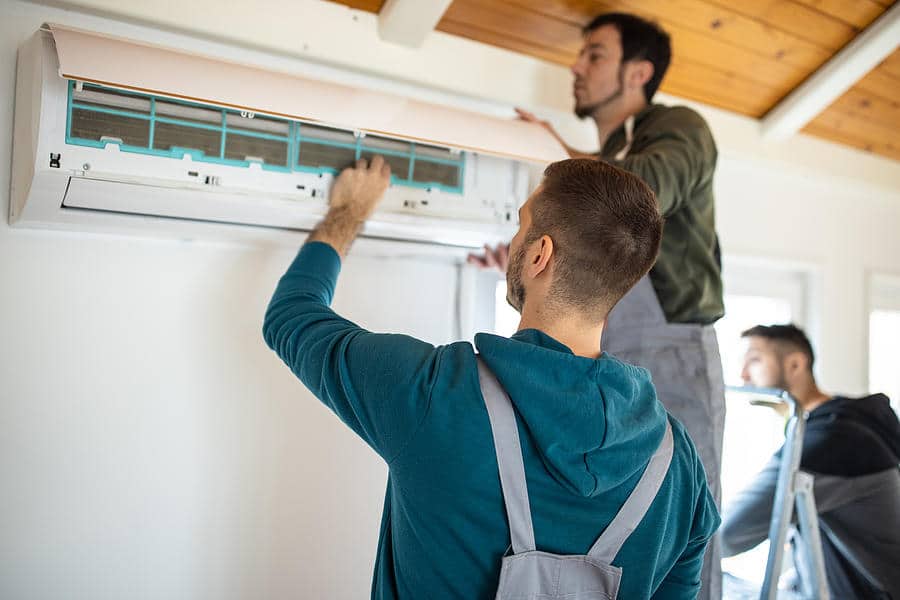
Trusted HVAC Service in Bedford, TX
For homeowners who want dependable, professional support, AC Repair DFW provides experienced HVAC diagnostics and repair services throughout the Bedford area. Prompt service, accurate troubleshooting, and preventative care help protect system performance during the hottest months of the year. If unusual noises have started or cooling performance has changed, contact us today or give us a call to keep your home comfortable and your system running safely.