Most HVAC systems do not fail without warning. In many cases, small performance changes appear weeks or even months before a complete breakdown. The problem is that these early signs are often ignored until the system stops working during a 100-degree summer day in Bedford, TX.
Because North Texas experiences long cooling seasons and extreme heat, HVAC systems in Bedford run harder and longer than in many other regions. That constant strain can accelerate wear on key components like the compressor, blower motor, evaporator coil, and condenser unit. In some cases, recurring problems may indicate the need for professional hvac installation rather than continued repairs.
Below are the most common warning signs your HVAC system is about to quit, what they typically mean, what can be safely checked, and when professional service is necessary.
Warm Air Coming From the Vents
If the air conditioner is blowing warm or room-temperature air, there is a clear problem.
Start with simple checks:
- Confirm the thermostat is set to “cool.”
- Replace thermostat batteries if needed
- Inspect the air filter for heavy dirt buildup
- Check the breaker panel for a tripped switch
A clogged air filter can restrict airflow and cause overheating. However, if basic checks do not resolve the issue, the cause may involve low refrigerant levels, a failing compressor, or condenser problems.
In Bedford’s extreme summer heat, warm airflow can quickly lead to full system failure. Minor service may correct small issues, but major component problems can require significant repair.
For a deeper breakdown of early system symptoms, read the related guide titled How Do You Know If Your HVAC System Is Failing?
Weak Airflow Throughout the Home
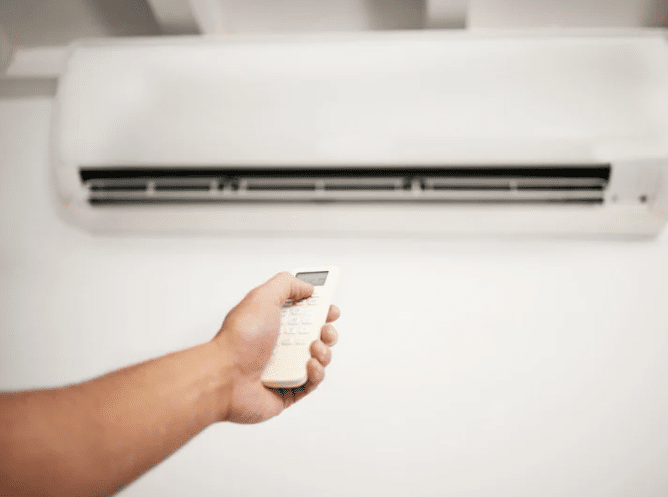
Weak airflow is one of the earliest warning signs of HVAC trouble.
Signs include:
- Air barely coming out of vents
- Some rooms are significantly warmer than others
- The system is running longer without reaching the temperature
Common causes include clogged air filters, blocked ductwork, leaking air ducts, or a failing blower motor.
Restricted airflow forces the HVAC system to work harder, increasing wear and driving up energy bills. Many older homes in Bedford experience duct-related airflow issues that worsen over time.
Replacing the air filter is a safe first step. If airflow remains weak, a professional inspection is recommended to prevent further strain on internal components.
For a more detailed explanation of this issue, review the guide titled Why Is My HVAC System Running but Not Cooling?
Unusual Noises During Operation
HVAC systems are designed to operate quietly. New or loud noises usually indicate internal trouble.
Different sounds can point to different issues:
Banging or clanking may signal loose or broken components.
Squealing often relates to belt or motor problems.
Grinding can indicate worn motor bearings.
Repeated clicking may involve electrical components.
Mechanical noises rarely resolve on their own. Ignoring them can lead to larger system damage. If sharp or metallic sounds occur, turning the system off and scheduling service helps prevent further breakdown.
For a complete breakdown of warning sounds, explore the guide titled What Noises Mean Your HVAC System Is in Trouble?
Sudden Increase in Energy Bills
A noticeable spike in electricity costs without a change in usage habits can signal declining HVAC efficiency.
As air conditioning systems age, they lose performance due to:
- Dirty condenser coils
- Refrigerant imbalances
- Worn components
- Reduced SEER efficiency
Because HVAC systems in Bedford operate for extended periods during hot months, efficiency loss becomes more noticeable.
Comparing current utility bills to the same month last year can help identify hidden system strain. Addressing efficiency issues early may prevent larger mechanical failures.
Frequent Short Cycling
Short cycling occurs when the HVAC system turns on and off repeatedly without completing a full cooling cycle.
This behavior is especially harmful to the compressor and other major components.
Common causes include:
- Dirty evaporator coils
- Refrigerant problems
- Oversized system installation
- Thermostat malfunction
Short cycling reduces comfort, wastes energy, and shortens equipment lifespan. In Texas heat, this issue can quickly escalate into a major repair need.
Strange Odors Coming From the Vents
HVAC systems should not produce noticeable odors.
Different smells often indicate specific issues:
Musty smell may signal mold growth or a clogged condensate drain.
A burning odor can indicate electrical overheating.
A rotten or stale smell may involve biological buildup inside ductwork.
Bedford’s humidity levels can contribute to mold concerns if moisture is not draining properly. If a burning smell is detected, turning off the system immediately is recommended until it can be inspected safely.
System Age of 10 to 15 Years or More
In North Texas, HVAC systems typically last between 10 and 15 years, depending on maintenance and usage.
High summer temperatures place continuous stress on compressors and cooling components. Even well-maintained systems eventually show signs of decline.
If an older unit requires frequent repairs or struggles to maintain temperature, it may be approaching the end of its service life.
Age alone does not guarantee failure, but it significantly increases the likelihood.
Excess Indoor Humidity
An HVAC system not only cools air but also removes moisture.
If indoor air feels sticky or damp despite the AC running, the system may not be dehumidifying effectively.
Possible causes include:
- Dirty coils
- Refrigerant imbalance
- Improper system sizing
- Drain line blockages
Excess humidity can lead to mold growth, warped materials, and reduced indoor air quality. In Bedford, humidity levels often rise late in the summer, placing additional strain on the system.
Water Leaks or Moisture Around the Unit
Moisture pooling around the indoor unit is not normal.
This could indicate:
- Clogged condensate drain line
- Frozen evaporator coil
- Refrigerant leak
Water damage can spread quickly to flooring and drywall. Refrigerant leaks are more serious and require licensed professionals due to safety regulations.
Early attention prevents larger structural damage and system failure.
The System Runs Constantly Without Cooling the Home
If the AC runs continuously but never reaches the thermostat setting, the system may be nearing failure.
Possible causes include:
- Low refrigerant
- Dirty condenser coils
- Failing compressor
- Severe airflow restrictions
During extreme Bedford heat waves, longer run times are normal. However, if the indoor temperature never stabilizes, mechanical inefficiency is likely.
Continuous operation under strain increases the risk of sudden breakdown.
Why HVAC Systems Fail Faster in Bedford, TX
Several local factors contribute to accelerated wear:
- Long cooling seasons
- Frequent triple-digit temperatures
- High runtime hours
- Dust accumulation
- Seasonal humidity changes
Air conditioners in Bedford often operate for many hours per day during summer. That sustained workload shortens the lifespan of internal components.
What to Check Before Scheduling HVAC Repair
Certain basic checks are safe for homeowners:
- Replace dirty air filters
- Confirm thermostat settings
- Check thermostat batteries
- Clear debris from around the outdoor condenser
- Inspect the breaker panel
Electrical components, refrigerant handling, and internal mechanical repairs should always be left to licensed HVAC professionals.
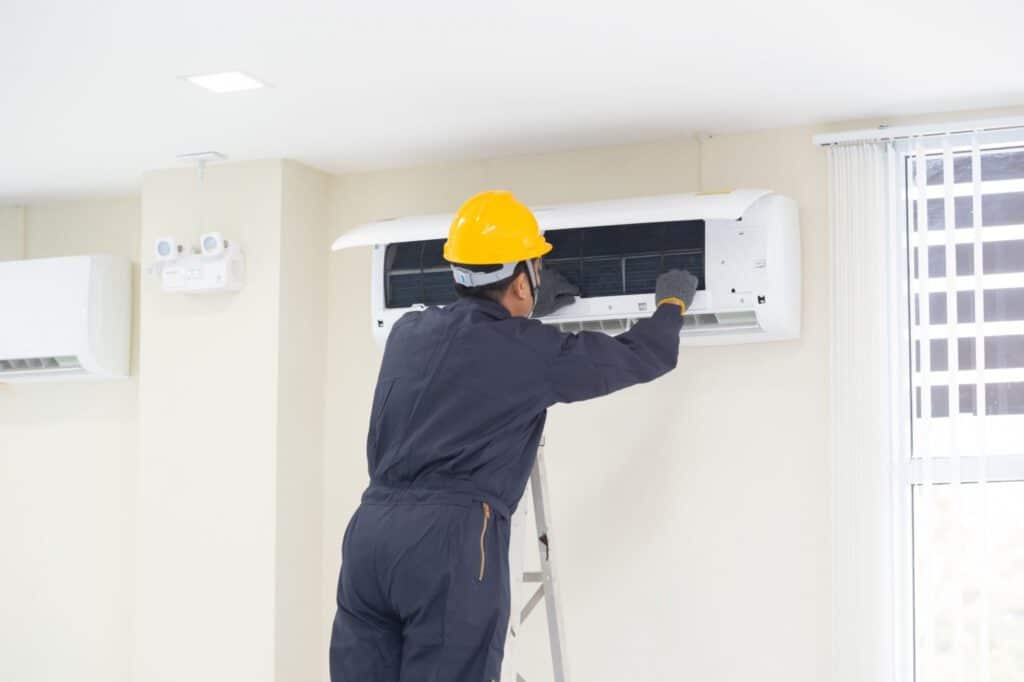
When Professional HVAC Service Is Necessary in Bedford, TX
Professional service is recommended if there is:
- Loud mechanical noise
- Burning smell
- Warm air during peak heat
- Ice on refrigerant lines
- Repeated breaker trips
- Constant operation without cooling
In many cases, a full system diagnostic combined with an energy assessment can help determine whether the issue is isolated to one component or part of a larger efficiency problem affecting the entire HVAC system.
Licensed technicians are trained to diagnose compressor issues, airflow restrictions, electrical failures, refrigerant leaks, and overall system performance safely and correctly.
Repair or Replacement: Making the Right Decision
Choosing between repair and hvac replacement depends on several factors:
- System age
- Frequency of breakdowns
- Overall efficiency
- Home comfort levels
Minor repairs are common throughout a system’s lifespan. However, repeated major component failures in an aging unit may justify hvac replacement for improved reliability, stronger performance, and better energy efficiency.
Average repair costs vary depending on the issue, while full hvac replacement represents a larger long-term investment. A professional evaluation provides clarity and helps determine the most practical long-term solution for the home.
How to Prevent HVAC Failure in Texas Heat
Preventive maintenance significantly reduces the risk of sudden breakdown and costly hvac repair during peak summer months.
Recommended practices include:
- Annual HVAC maintenance before summer
- Replacing filters every 1 to 3 months
- Keeping the outdoor condenser clean
- Monitoring humidity levels
- Addressing small issues promptly before they require major hvac repair
In Bedford’s demanding climate, spring maintenance is especially important to prepare for peak cooling season and reduce the likelihood of emergency hvac repair when temperatures rise.
Early HVAC Warning Signs Bedford Homeowners Shouldn’t Ignore
Most HVAC systems provide clear warning signs before quitting completely. Warm air, weak airflow, unusual noises, rising energy bills, and humidity problems should never be ignored.
Because Bedford, TX experiences intense and prolonged summer heat, early attention to these warning signs can prevent emergency breakdowns and protect long-term home comfort.
Keeping Bedford Homes Cool When It Matters Most
For homeowners who want dependable, professional service, AC Repair DFW provides experienced diagnostics, honest recommendations, and reliable HVAC solutions tailored to North Texas conditions. Whether the issue involves weak airflow, refrigerant concerns, or a system that simply cannot keep up with the heat, prompt service helps restore comfort quickly and safely. Contact us today or give us a call, and keep your Bedford home cool and protected all season long.