Ductless mini split systems offer quiet, energy-efficient comfort and have changed how people cool and heat their homes. However, like all systems, they may begin to wear down as the years go by. In this guide to signs ductless mini split repair, you’ll learn which problems to watch for, how to fix minor issues, and when to call a technician.
Overlooking minor issues can quickly turn into larger and costlier problems down the road. Weak airflow, water leaks, or strange sounds can all signal that something is wrong. Spotting these signs early helps prevent full system failure and saves money. Stay informed, act promptly, and keep your mini split system running smoothly throughout the year.
Why Early Ductless Mini Split Repair Matters
Fixing problems in your ductless HVAC system early helps prevent more significant damage before it occurs. A minor issue can escalate into a complete system breakdown if you wait too long. Early repairs keep your unit running smoothly and save you money on major repairs or full replacement.
Quick checkups and simple fixes also protect your home’s indoor air quality. Ignoring clogged filters or water leaks can lead to mold buildup, musty smells, or even compressor failure. Spotting these issues early helps your system run smoothly and keeps your home comfortable all year long.
Top 7 Clear Warning Signs Your Ductless Mini Split Needs Repair
Ductless HVAC systems work best when problems are caught early. Knowing the signs ductless mini split repair is needed can help you fix small issues before they turn into costly or serious problems.
1. No or Insufficient Cooling or Heating
If your unit runs but the room stays too hot or cold, you may have low refrigerant, clogged filters, or damaged coils that affect temperature control and energy efficiency.
2. Strange Noises
Buzzing, hissing, or grinding sounds are not normal. These noises could indicate a refrigerant leak, loose parts, or failing components inside the mini split system that require prompt HVAC repair.
3. Weak or Uneven Airflow
Air that feels weak or uneven often indicates clogged filters, blocked air handlers, or fan motor issues that reduce the effectiveness of your mini split system in different rooms.
4. Water Leaks or Ice Buildup
Water around the unit or frozen parts usually means clogged drain lines or frozen coils. These can lead to mold buildup, water damage, or system failure if left untreated.
5. Higher Energy Bills
When your energy bill increases without explanation, your mini split may be working harder due to blocked filters, damaged sensors, or minor leaks that reduce performance and efficiency.
6. Unpleasant Odors
Strong odors, such as musty or burning smells, usually point to mold growth, mildew buildup, or possible electrical problems. Mold on coils or filters, as well as wiring problems, should be addressed to prevent health risks.
Unresponsive Controls or Short Cycling
If your unit turns on and off quickly or fails to respond to controls, you may have faulty sensors, electrical issues, or a control board failure that can shorten the system’s lifespan.
Common Causes of Mini Split Repair Signs
Many of the above signs have specific root causes. Knowing what they mean gives you a better idea of what to expect.
- Refrigerant Leaks: Low refrigerant levels result in weak cooling, frost buildup on coils, increased energy consumption, and loud hissing sounds.
- Clogged Filters or Drain Lines: Dirty filters restrict airflow and cause musty smells. Blocked drain lines lead to water leaks and mold buildup.
- Mechanical Failures: Worn-out fans, belts, or motors create strange noises, reduce airflow, and cause your ductless system to underperform.
- Electrical or Sensor Problems: Faulty sensors or control boards lead to short cycling, random shut-offs, poor temperature control, or total unit failure.
Easy DIY Fixes for Ductless Mini Split Issues
Some ductless HVAC issues can be resolved at home with minimal effort. These simple checks can improve airflow, reduce energy consumption, and help you avoid unnecessary repairs.
1. Clean Filters and Coils
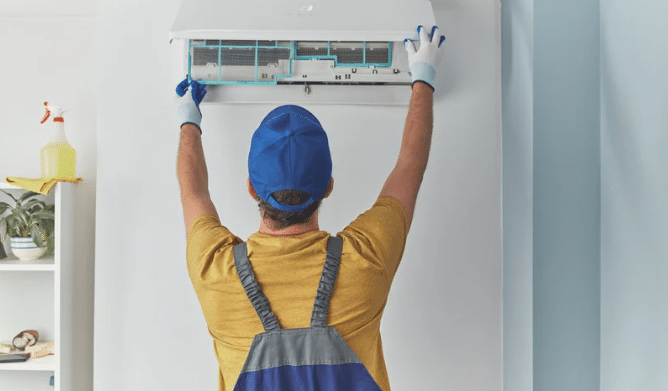
Dusty filters and dirty coils reduce airflow, causing your system to work harder. Clean them monthly to prevent overheating, unpleasant odors, and reduced performance from your ductless mini split.
2. Inspect the Drain Line
A clogged drain line can cause water leaks, mold, or mildew near the indoor unit. Use a small brush or vacuum to clear the line and keep it draining well, gently.
3. Check the Breaker and Power
If your ductless mini split will not turn on, the breaker may have tripped. Reset the breaker, check the remote batteries, or press the power button on the indoor unit.
4. Listen and Observe
Buzzing, hissing, or ice on your system could indicate more serious issues. These may indicate a refrigerant leak or internal damage, which should be addressed only by a licensed technician, such as AC Repair DFW.
Fixing these small problems yourself keeps your system running longer and saves money. If your ductless unit still does not work right after these steps, it’s time to call a professional HVAC repair.
When to Call a Pro for Ductless Mini Split Repair
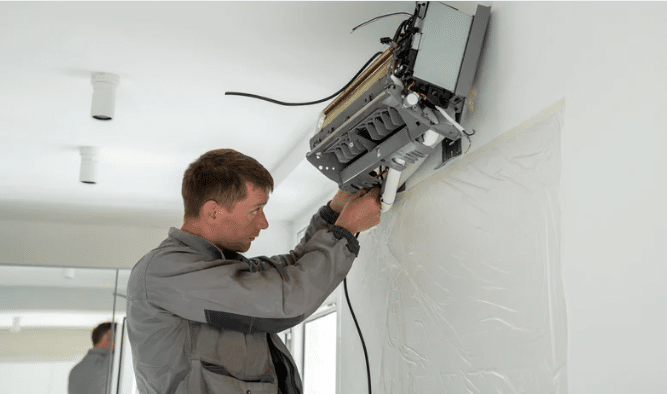
Some ductless mini split problems go beyond basic cleaning or resets. If the unit still makes noise after cleaning filters or if it smells like burning wires or chemicals, call a certified technician. These are early signs that ductless mini split repair is needed and should not be ignored.
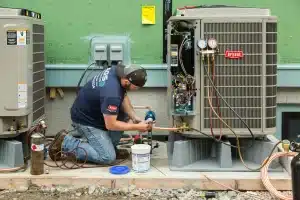
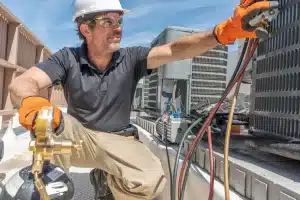
Short cycling, frozen coils, or leaking units are also red flags. A professional can check for refrigerant leaks, wiring issues, or failing control boards. Certified technicians use advanced tools, such as gauges and leak detectors, to inspect your ductless system and identify problems that may not be visible to the naked eye.
To avoid costly HVAC repair, it’s smart to schedule professional service once or twice a year. Regular maintenance helps your system run smoothly and keeps small issues from becoming big breakdowns. Timely inspections can extend the life of your mini split and protect your indoor air quality and comfort.
Ductless Mini Split Preventative Maintenance Tips
Regular maintenance keeps your ductless HVAC system running smoothly and helps prevent unexpected repairs. These simple habits protect your comfort and improve energy efficiency year-round.
Clean Filters Monthly
Cleaning the air filters each month helps keep airflow strong, reduces dust buildup, and prevents poor indoor air quality or overheating problems in your ductless HVAC system.
Schedule Annual Tune-Ups
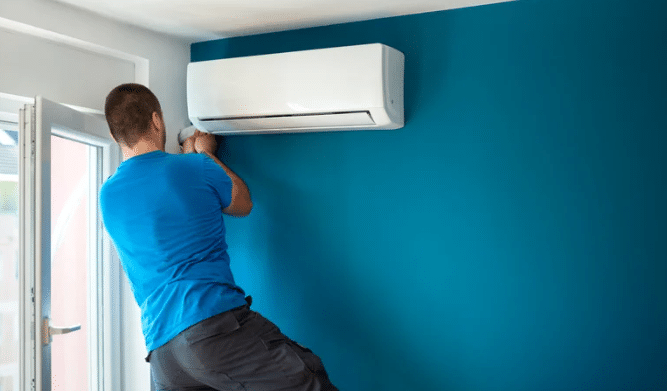
A yearly tune-up by a technician helps spot small issues early. They will check refrigerant levels, clean the coils, and make sure your system works properly.
Clear Debris Around Outdoor Unit
Leaves, dirt, or grass around the outdoor condenser unit can block airflow. Clear space around it to prevent overheating and keep your system running efficiently.
Track Energy Use
Keep an eye on your energy bills. A sudden increase could mean a hidden issue like clogged coils, refrigerant leaks, or failing parts inside the mini split system.
Preventive care cuts down on costly HVAC repairs and helps your mini split last longer. Stay consistent with maintenance to avoid surprise breakdowns and enjoy better performance from your system.
Mini Split Repair vs. Replacement: Which Is the Better Option?
Not every mini split issue necessitates replacing the entire system. Here’s how to tell when repair is enough or when it makes more sense to upgrade.
| Situation | Repair | Replacement |
| System Age | Under 12 years and still running efficiently. | Over 12–15 years old and losing performance. |
| Cost of Repair | Minor repairs are affordable and effective. | The repair cost is over 50% of the new unit price. |
| Energy Efficiency | Still meeting your home’s heating and cooling needs. | Higher energy bills and poor airflow performance. |
| Refrigerant Type | Uses R-410A, and parts are available. | Uses outdated refrigerant that’s being phased out. |
| Frequency of Breakdowns | Rare or one-time issues. | Frequent problems that require repeat visits and added cost. |
If your ductless mini split is old, inefficient, or costly to fix, replacement might be the better choice. For newer systems with fewer problems, targeted repairs can still go a long way.
Frequently Asked Questions
Why is my ductless mini split leaking water inside?
Water leaking inside your home often means a clogged drain line or a broken condensate pump. It can also occur when frozen coils melt too quickly. Addressing this issue promptly helps prevent mold, water damage, and poor indoor air quality.
How do I fix uneven heating or cooling in a mini split?
Uneven room temperatures usually come from dirty filters, blocked vents, or low refrigerant levels. Clean the filters first. If the problem persists, have a technician inspect the ductless HVAC system for airflow issues or a failing fan.
Why is there ice buildup on my mini split indoor unit?
Ice buildup often means your mini split has poor airflow, dirty coils, or low refrigerant. When airflow is blocked, moisture starts to collect and turns into ice on the coils. Turn off the unit and call a technician to stop further system damage.
Why are my energy bills higher with a ductless mini split?
Rising energy bills typically indicate that the system is working too hard due to dirty filters, leaking refrigerant, or sensor issues. When airflow or cooling drops, energy use climbs. A tune-up can boost performance and lower your monthly costs.
Conclusion
Noticing strange sounds, water leaks, or poor airflow? These are clear signs that ductless mini split repair may be needed. Waiting too long can lead to costly breakdowns and higher bills. Staying alert now helps avoid bigger problems later and keeps your home feeling just the way it should.
For peace of mind, pair simple maintenance with expert help from those who know mini split systems inside and out. At AC Repair DFW, we proudly offer trusted HVAC repair services in Bedford, TX, helping local homeowners stay cool in summer and warm in winter without stress.
Ready to get ahead of repairs and protect your comfort? Book a system check today and let our skilled technicians take care of everything from there. With fast service and fair pricing, AC Repair DFW is your go-to for reliable ductless solutions that keep your system running year-round.
End Note
If you’re hearing unusual noises, feeling weak airflow, or spotting other signs your ductless mini split needs repair, take action before the system breaks down completely. At AC Repair DFW, we offer fast and reliable HVAC services, including HVAC repair, to help you stay comfortable throughout every season.
Whether you need a full HVAC installation & replacement or just want to explore flexible HVAC maintenance plans, we’ve got you covered. We offer both residential and commercial maintenance plans designed to reduce repair costs and extend the life of your system. Our complete HVAC services selection is backed by decades of trusted results.
Curious about our team and the services we provide? Visit our About Us page or browse our recent projects to see our work and check our helpful blog for expert tips. Stay connected with us on Facebook for more insights, and contact us today to schedule a service. Let AC Repair DFW help protect your comfort and lower your energy bills all year long.