When your air conditioner stops working correctly, it can leave you feeling frustrated. You want a cool home, but deciding between a repair and replacement isn’t always easy. Making the right choice now can save money and help prevent future problems.
If your system is under 10 years old, runs smoothly, and the repair is minor, fixing it is usually the best option. But if it’s older, keeps breaking down, or causes high energy bills, a replacement may be a better long-term solution.
This guide will walk you through the key points to consider in the repair vs. replace AC unit decision. By the end, you’ll know how to choose the best solution for your comfort, budget, and home’s needs.
When Was Your AC Installed: Age Check Tips
The age of your air conditioner is one of the biggest factors in the repair vs replace AC unit debate. Most AC systems last between 10 and 15 years, depending on the level of maintenance and usage.
1. Under 8 Years: Go for Repair
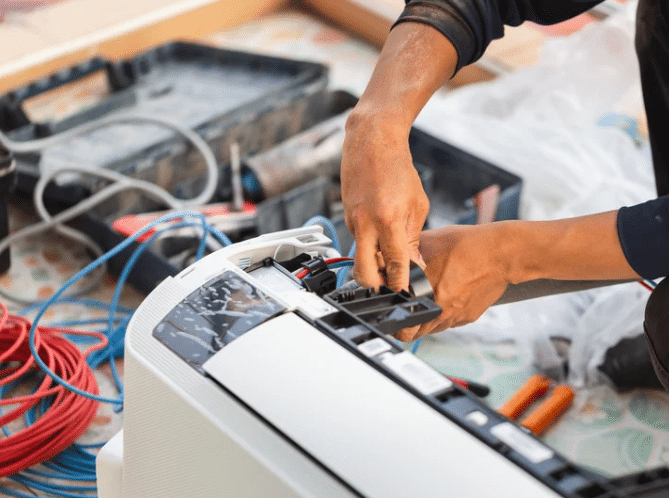
If your air conditioner is under 8 years old and has a minor issue, such as a broken thermostat or capacitor, repairing it is usually the best course of action. These minor problems don’t cost much, and your unit still has many years of good use left.
2. 8–15 Years: Think About Replacing
If your AC is between 8 and 15 years old, consider how often it breaks and what the issue might be. Requiring major repairs, such as a new compressor, might indicate it’s time for a replacement. A new system can run more efficiently and potentially lower your energy bills.
3. Over 15 Years: Time to Upgrade
Older AC units, especially those over 15 years old, are not energy-efficient. Even if repairs seem cheap, upgrading to a newer system can save you more over time. You’ll get better performance, fewer issues, and lower cooling costs with a modern, high-efficiency unit.
AC Repair or Replace: Which Costs Less
A common rule of thumb is the “5,000 Rule”: Multiply the age of your AC by the repair cost. If the result exceeds $5,000, replacement is usually the better option.
Example:
- AC Age: 10 years
- Repair Cost: $600
- Calculation: 10 x $600 = $6,000
Since $6,000 exceeds $5,000, replacing the unit would be more financially sensible.
When to Repair:
- Minor issues (under $500), like a clogged drain line or a faulty capacitor.
- Warranty coverage that reduces out-of-pocket costs.
When to Replace:
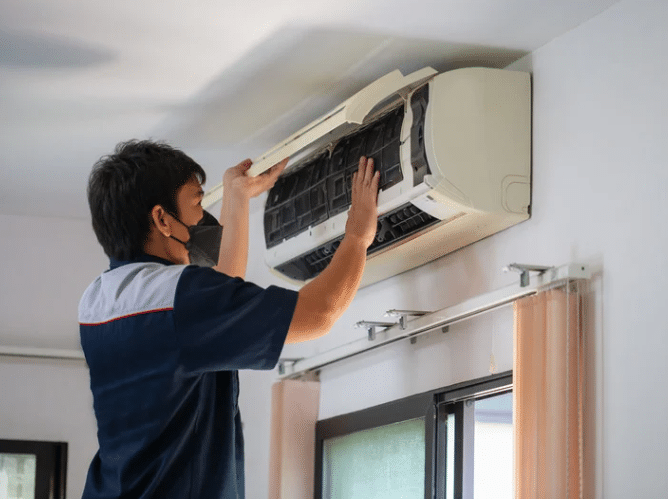
- Major breakdowns (compressor failure, refrigerant leaks) costing over $1,500.
- Frequent repairs are adding up over time.
How Energy-Efficient ACs Cut Your Bills
Improving energy efficiency in your home doesn’t just reduce your utility bills; it also leads to long-term savings and a more comfortable space.
1. Upgrade to an Energy-Efficient System
Installing a new energy-saving HVAC system can reduce your energy consumption by up to 20%. This means lower bills each month. New systems also work better, last longer, and make your home more comfortable while using less electricity or energy.
2. Use a Smart Thermostat
A smart thermostat saves energy by adjusting the temperature according to your routine. It works automatically, so no need for constant adjustments. This keeps your home comfortable, reduces power use, lowers energy bills, and gives you better control over your system.
3. Seal and Insulate Your Home
When your home has gaps or not enough insulation, warm or cool air can escape. Sealing cracks and adding insulation keep air inside, so your HVAC system doesn’t have to work too hard. This makes your home more comfortable and lowers your heating and cooling bills.
4. Keep Your System Maintained
Regular maintenance helps your HVAC system run more efficiently and last longer. Cleaning filters and scheduling yearly checkups can prevent minor issues from becoming major problems. A well-maintained system uses less energy, keeps your home comfortable, and helps avoid costly repair bills.
Signs Your AC Needs Replacement
Sometimes, the decision to repair vs replace the AC unit becomes obvious when your system shows clear signs of failure. Here are key indicators that replacement is the better choice:
1. Frequent Breakdowns
If your air conditioner needs repairs more than once a year, it may be wearing out. Frequent fixes cost more over time and are a sign your system is nearing the end of its lifespan. Replacing it can help avoid stress and future repair bills.
2. Rising Energy Bills
When your energy bills keep increasing, your AC might be losing efficiency. Older systems use more power to cool the same space. This rise in electricity costs is a strong sign that your air conditioner may need to be replaced for better energy savings.
3. Inconsistent Cooling
If one room feels too hot while another is too cold, your air conditioner may not be functioning properly. Uneven temperatures show the system may be failing to circulate air effectively. Replacing the unit can improve comfort and deliver more balanced indoor cooling.
4. Strange Noises or Odors
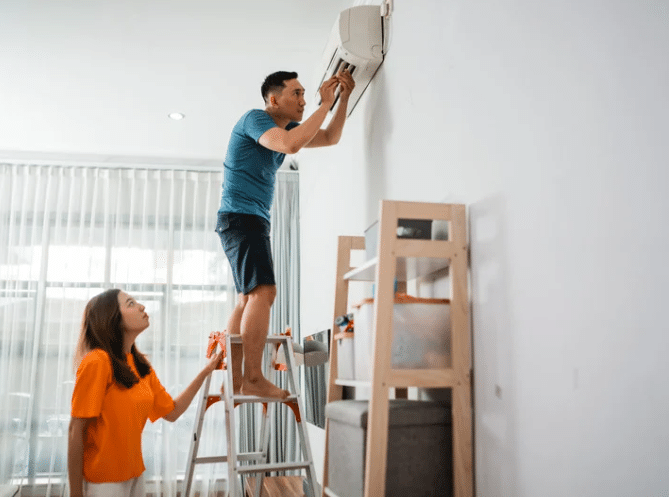
Loud noises like banging or grinding, or musty smells coming from your AC, usually mean big problems. These signs often point to serious mechanical issues or mold inside the system. Acting quickly may prevent further damage and help you avoid costly emergency repairs.
Financial Incentives & Rebates for New AC Units
Many utility companies and government programs offer rebates for high-efficiency AC replacements. These incentives can offset upfront costs, making replacements more appealing.
1. Federal Tax Credits
You can get up to $600 in federal tax credits when you install an energy-efficient air conditioner. This credit lowers the amount you owe at tax time. It’s a smart way to save money while improving your home’s comfort and energy use.
2. State and Local Rebates
Many cities and states offer rebates for high-efficiency air conditioning systems. These programs vary by area, so check with your utility company or local office for details. A rebate can lower your total cost and make upgrading to a better system more affordable.
3. Manufacturer Rebates
Some air conditioning manufacturers offer special rebates or discounts during certain times of the year. These limited-time offers can reduce your upfront cost. Keep an eye out for seasonal promotions to save more when replacing your old or outdated cooling system.
4. Utility Company Incentives
Your electric company may offer cash-back deals or bill credits if you upgrade to a more energy-saving air conditioner. These programs are typically offered during the warmer months. Contact your provider to see if any offers are available for your home.
5. Low-Interest Financing Options
Many HVAC service providers offer payment plans with low or no interest. This option helps spread out the cost of a new system over time. It’s a simple way to upgrade your cooling system without putting too much pressure on your budget.