When your living space starts feeling uncomfortably warm despite the air conditioner running continuously, and your energy bills begin to spike, it may be more than just hot weather causing the issue. These signs often point to one of the most common HVAC problems: a dirty evaporator coil. This critical component is responsible for absorbing heat from your indoor air, and when it becomes clogged with dust and debris, its efficiency drops significantly.
Recognizing dirty evaporator coil symptoms early is key to maintaining indoor comfort and energy efficiency. Reduced airflow, ice buildup, and rising humidity levels are just a few red flags homeowners should watch for. If left unaddressed, a dirty coil can lead to costly repairs or even total system failure. That’s why many homeowners turn to AC Repair DFW for prompt diagnosis, professional coil cleaning, and long-term HVAC maintenance you can trust.
What Is an Evaporator Coil and Why Does It Matter
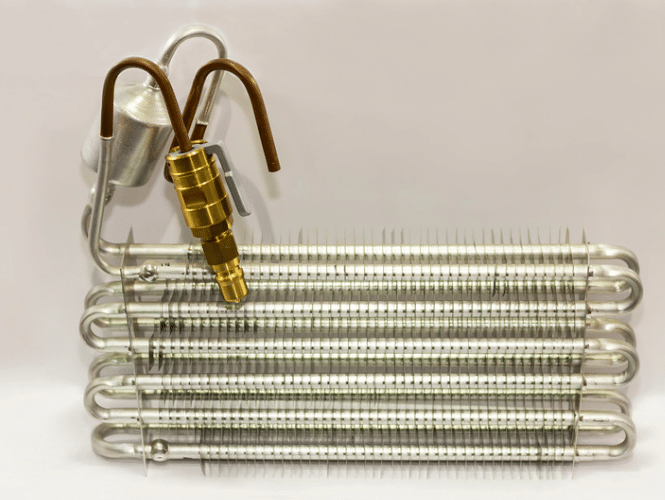
The evaporator coil is located inside your indoor HVAC unit, typically near the air handler. Its primary job is to absorb heat from the air in your home using refrigerant. As warm air passes over the coil, the refrigerant inside absorbs the heat, cooling the air before it’s circulated back into your living spaces.
Despite its critical function, the evaporator coil is often overlooked during DIY maintenance. Over time, dust, pet hair, pollen, and other debris can collect on the coil’s surface. When this happens, the coil can’t properly absorb heat, reducing your system’s efficiency and leading to several noticeable symptoms. We often find dirty evaporator coils at the heart of unexplained cooling issues.
Top Dirty Evaporator Coil Symptoms to Watch For
Weak or Warm Airflow
If the air coming from your vents feels weak or noticeably warmer than usual, your evaporator coil might be to blame. Dirt and debris create a barrier that prevents effective heat transfer, meaning the air doesn’t cool properly as it passes over the coil. Homeowners who call us with this issue often discover coil buildup as the root cause.
Longer Cooling Cycles or Constant Running
One of the most overlooked symptoms of a dirty evaporator coil is the AC running longer than necessary. If your system operates nonstop just to reach your desired temperature, it could be working overtime to compensate for restricted airflow and poor heat absorption. This constant running not only increases your energy usage but also accelerates wear on essential components, such as the compressor.
Ice Buildup on the Coil or Refrigerant Line
It may seem counterintuitive, but dirt on your evaporator coil can cause it to freeze. As airflow becomes restricted, moisture that should evaporate instead condenses and freezes on the coil or refrigerant line. If you notice ice or frost on your indoor AC components, call us immediately. This condition can lead to severe damage or a complete system breakdown if left unresolved.
Unusual Odors from Vents
If you smell a musty or moldy odor when your AC turns on, your evaporator coil might be harboring more than just dirt. The combination of moisture and debris creates an ideal environment for mold and bacteria to thrive. AC Repair DFW technicians often clean coils, which not only restores cooling but also eliminates unpleasant odors and improves your indoor air quality.
Increased Humidity in the Home
Another sign of a dirty coil is an uptick in indoor humidity. Your AC system is designed to remove moisture as it cools the air, but a dirty evaporator coil can compromise this function. If your home feels sticky or damp even when the system is running, a coil inspection is warranted. AC Repair DFW includes humidity level checks as part of its routine diagnostic process.
How Dirty Coils Affect Energy Efficiency and System Lifespan
When your evaporator coil can’t transfer heat efficiently, your system has to work harder and longer to achieve the same cooling results. This leads to higher utility bills and more strain on the blower motor, compressor, and thermostat. Over time, this additional stress can reduce the lifespan of your HVAC system.
Routine maintenance from professionals like AC Repair DFW includes coil cleaning, which helps restore your system’s original efficiency. Clean coils mean cooler air, lower energy usage, and less wear on your equipment.
When to Clean vs. When to Replace the Coil
Minor vs. Severe Contamination
Not all dirty evaporator coils require replacement. Light dust and dirt can usually be cleaned effectively, restoring the coil’s full function. However, when coils are covered in thick grime, mold, or show signs of corrosion, cleaning may no longer be enough. In these cases, replacement may be the only option to resolve the issue fully.
How We Determine the Best Option
Deciding whether to clean or replace your coil starts with a thorough inspection. AC Repair DFW uses visual checks, airflow measurements, and refrigerant diagnostics to assess the condition of your coil. Their licensed technicians provide honest, straightforward advice—clean when safe, replace when necessary.
Why You Shouldn’t Ignore These Warning Signs
Neglecting dirty evaporator coil symptoms can lead to far more serious consequences:
- Total system failure from frozen coils or compressor damage.
- Increased repair costs from overworked parts.
- Poor indoor air quality due to mold and bacteria buildup.
- Voided warranties due to a lack of maintenance.
We respond quickly to service calls, identifying and addressing minor coil issues before they escalate into major repairs.
Preventing Dirty Coils in the Future
Regular Filter Changes and Professional Maintenance
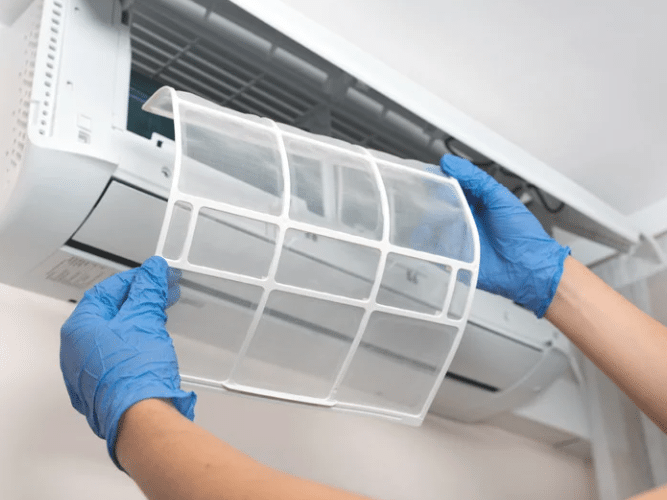
The most common cause of dirty coils is clogged air filters. When filters go unchanged, dust and debris pass through and settle on the coil. Replacing your air filter every 1-3 months can significantly reduce the buildup of dirt and debris.
Additionally, we offer affordable maintenance plans that include annual coil cleaning and comprehensive full-system inspections. This proactive approach keeps your system efficient and your home comfortable.
Seasonal Tune-Ups and Early Detection
Spring is the ideal time to schedule a tune-up before the heavy cooling season begins. Technicians from AC Repair DFW can identify early signs of dirt buildup and clean the coil before it impacts performance. Seasonal check-ups help ensure proper airflow, energy savings, and better indoor comfort throughout the summer.
FAQ: Dirty Evaporator Coil Symptoms
What happens if my evaporator coil is clogged?
A clogged evaporator coil restricts airflow and prevents proper heat transfer, causing the air conditioner to work harder. This results in longer cooling times, higher energy bills, and possible system breakdowns. Ignoring the issue can lead to compressor failure or permanent damage to your air conditioning system.
Can a dirty evaporator coil make you sick?
Yes, a dirty evaporator coil can negatively impact indoor air quality. When moisture and debris collect on the coil, it becomes a breeding ground for mold and bacteria. This contamination can circulate through your HVAC system and trigger allergies, respiratory issues, or other health concerns over time.
Can a dirty evaporator coil cause high humidity?
A dirty evaporator coil can lead to high indoor humidity because it reduces the system’s ability to remove moisture from the air. As heat transfer becomes inefficient, the coil can’t condense and drain humidity properly, leaving your home feeling sticky, clammy, and uncomfortable despite cooling.
What is the result of a dirty evaporator in the system?
A dirty evaporator coil disrupts your HVAC system’s cooling process. It leads to poor airflow, higher energy consumption, uneven temperatures, and potential ice formation. Over time, the added strain can cause component wear and shorten the system’s lifespan, making timely cleaning and maintenance essential for efficiency.
Conclusion
Dirty evaporator coil symptoms often go unnoticed until they start affecting your comfort and utility bills. Weak airflow, warm air, or ice buildup are early indicators that your HVAC system isn’t running efficiently. Recognizing these signs early helps prevent serious breakdowns and costly repairs while ensuring your air conditioning continues to function at peak performance.
If you’re experiencing symptoms of a dirty evaporator coil, it’s essential to act quickly. Ignoring these issues can reduce indoor air quality and lead to higher humidity or total system failure. AC Repair DFW provides expert diagnostics and service to keep your HVAC system clean, efficient, and reliable throughout the year.
End note
AC Repair DFW is your trusted partner for fast diagnostics, professional coil cleaning, and complete HVAC system care. Whether you’re dealing with dirty evaporator coil symptoms or need complete system replacement, their team has the experience to get it done right. Learn more about their expert services at acrepairdfw.com, or explore their HVAC Services and HVAC Installation & Replacement pages to get started today.
For ongoing peace of mind, browse their HVAC Maintenance Plans and Residential Maintenance Options to keep your system running efficiently throughout the year. Visit the About Us page to meet the team, check out the latest expert tips on their HVAC Blog, or Contact Us directly to book your next service. Stay connected through their Facebook page for updates and seasonal offers.