Homeowners often notice gradual performance changes before a system fails, such as longer run times, uneven temperatures, or increased repair frequency. Clear decision signals help avoid being forced into a last-minute choice during extreme heat or cold.
Recognizing when HVAC Replacement makes sense can improve comfort, reduce breakdown risk, and support planning around household schedules. Age, repair patterns, comfort consistency, and operating behavior all provide useful clues. In Bedford, TX, local weather swings and seasonal workload can magnify weaknesses in older equipment, making timely evaluation an essential part of home care.
Performance Clues That Often Signal Replacement Timing
Performance decline usually shows up in comfort consistency and operating behavior. Systems that once cooled or heated evenly may start leaving hot or cold rooms, cycling too frequently, or running longer than expected. Airflow changes can also indicate restrictions or internal wear that may recur even after service. A professional evaluation compares system capacity, duct delivery, and equipment condition to determine whether long-term reliability is realistic.
Common performance clues include:
- Uneven temperatures between rooms despite thermostat adjustments
- Weak airflow from vents or noticeably reduced output
- Frequent short cycling or frequent on-and-off behavior
- Longer run times to reach the set temperature
- Persistent humidity issues during the cooling season
- Unusual sounds that return after service visits
- Burning or musty odors during startup or operation
Many of these symptoms can have multiple causes, so accurate diagnosis is essential. A technician can confirm whether issues stem from equipment wear, duct delivery, thermostat control, or refrigerant and electrical components. Homeowners comparing ongoing HVAC repair decisions with long-term reliability often benefit from a detailed assessment that includes age, system sizing, and recent service history.
For problem patterns that more often point toward replacement, visit our blog, “Which HVAC Problems Mean Replacement Is the Better Option?”
Repair Frequency, Parts Availability, and the Cost Pattern Homeowners Notice
A repeating repair pattern can be a strong indicator that replacement should be considered. When service visits become more frequent, equipment downtime increases, and comfort becomes less predictable. Parts availability also matters, since older units may rely on components that are harder to source or no longer supported. A professional can document recurring failure points and help homeowners decide whether continued investment remains sensible.
Signs that repair patterns are trending in the wrong direction include:
- The same issue returns within a short time window
- New failures appear soon after a different repair is completed
- Multiple components show wear at the same time
- Delays occur because parts take longer to obtain
- Safety-related concerns develop, such as electrical damage or control issues
- Comfort remains inconsistent even after professional service
Many homeowners search for HVAC replacement near me after repeated service calls and unpredictable comfort. Questions about HVAC replacement costs often arise during planning, but the right path depends on system condition, sizing needs, efficiency expectations, and household priorities. A qualified professional can provide options based on a complete evaluation rather than assumptions.
For a closer look at aging-system reliability, check our article, “Can an Aging HVAC System Still Be Trusted to Perform Well?”
Comparing Repair Patterns Versus Replacement Readiness
Understanding how ongoing repairs compare to replacement readiness helps homeowners evaluate long-term reliability. Short-term fixes may restore operation, yet repeated service can indicate broader wear across major components. Reviewing patterns side by side provides clarity when planning next steps.
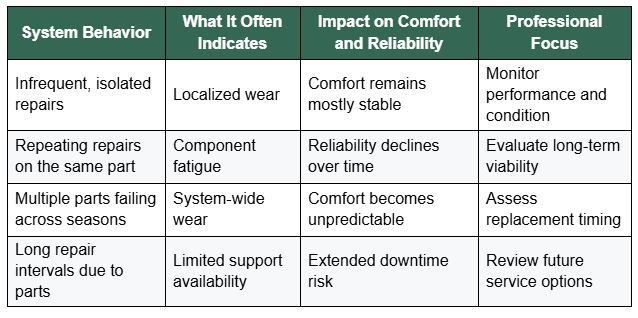
Comparing these patterns with system age and performance helps homeowners make informed decisions. A professional assessment places these observations into context and supports a clear path forward without guesswork.
Age, Efficiency, and Comfort Consistency as Decision Signals
System age influences efficiency, reliability, and the likelihood of future repairs. Older equipment may still run, yet performance can drift as motors, coils, and controls wear. Efficiency decline can manifest as longer run times, difficulty maintaining set temperature, or greater sensitivity to outdoor conditions. A professional can measure actual performance rather than relying on age alone.
Signals that often pair with age-related decline include:
- Cooling or heating that feels slower than in prior seasons
- Noticeable hot and cold spots that remain after service
- Higher indoor humidity during the cooling season
- Dusty airflow or comfort swings between cycles
- Increased noise during startup or steady operation
Homeowners also benefit from understanding when to replace HVAC systems. Replacement timing is often linked to comfort consistency, safety considerations, and repair patterns rather than a single age number. An evaluation can include duct delivery and thermostat control, since those factors can mimic equipment decline.
In many homes, replacement planning also intersects with broader HVAC services needs, including airflow review, duct inspection, and indoor comfort goals.
For risk factors that increase with delay, visit our blog, “What Risks Increase When HVAC Replacement Is Postponed?”
How Professionals Evaluate Replacement Versus Continued Repair
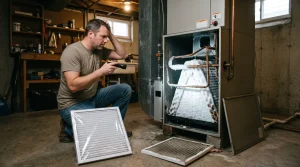
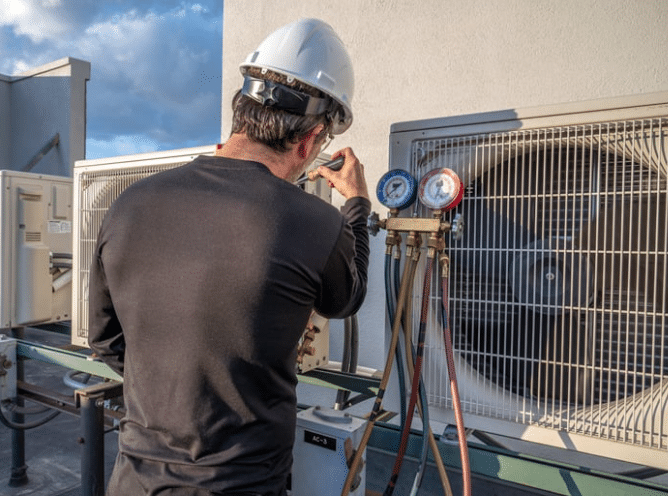
Professional evaluation brings clarity by focusing on performance, reliability, and future serviceability. The goal is to determine whether repairs can reasonably restore stable comfort or whether replacement offers a more reliable path. A qualified technician can check major components, review system sizing, and evaluate how the system handles seasonal load.
System condition and failure history
Technicians review past repairs, current symptoms, and component wear. The pattern of failures matters as much as the current issue.
Capacity and sizing for the home
Sizing affects comfort, humidity control, and cycling behavior. An undersized or oversized system may create ongoing comfort issues even after repairs.
Safety and electrical integrity
Electrical wear, control faults, and heat-related stress can raise risk. Professionals inspect connections, controls, and protective components.
Replacement planning and installation approach
When replacement is recommended, HVAC installation planning includes equipment selection, duct compatibility, and commissioning checks. Homeowners also often discuss residential HVAC replacement to match comfort needs, family schedules, and long-term reliability goals.
A thorough evaluation helps homeowners avoid guesswork and select the safest path based on real system conditions.
Maintenance, Filter Habits, and How Replacement Timing Gets Influenced
Maintenance habits influence system strain and can affect how quickly equipment reaches a point where replacement feels necessary. Filters, airflow, and coil cleanliness play a major role in operating load. A system may appear to be failing when the real issue is airflow restriction or neglected maintenance, so a professional inspection remains necessary.
Filter practices and airflow health
Many homeowners ask how often to replace an HVAC filter because filter loading affects airflow and can increase run time. The proper schedule depends on household factors like pets, indoor air quality goals, and system usage. A professional can recommend an appropriate interval based on the home and equipment.
Seasonal inspections and performance tracking
Regular checkups help document performance drift and identify developing issues early. Trends over time often clarify replacement timing.
Repairs that restore stability versus repairs that only delay failure
Some repairs restore long-term reliability, while others may only keep a declining system running temporarily. A professional can explain expected outcomes based on part condition and system age.
Maintenance and inspection support better planning, whether the outcome involves continued repair or replacement.
Choosing the Right Next Step Without Guesswork
Replacement decisions are easier when homeowners focus on safety, reliability, and comfort. The strongest signals often combine performance decline with repeated repairs or reduced serviceability. A professional evaluation helps determine whether a repair path still provides stable comfort or whether replacement is the safer choice.
Helpful decision factors include:
- Comfort remains inconsistent across rooms and seasons
- Repair frequency increases or the same issue returns repeatedly
- Parts become harder to obtain, or service is delayed
- Operating behavior changes, including long run times or short cycling
- Indoor humidity and airflow problems persist
- Household schedules require higher reliability
For households and businesses, replacement planning may also apply to larger systems. Some owners consider commercial HVAC replacement when reliability and uptime are critical for employees and customers. The right timing and scope depend on equipment condition, building needs, and professional assessment.
Plan for Comfortable, Reliable Heating and Cooling
Recognizing when to replace helps homeowners avoid stressful last-minute decisions. Performance declines, rising repair rates, and age-related deterioration often precede complete failure. A professional evaluation clarifies whether repairs can restore stable comfort or whether replacement offers a more reliable option. Precise planning also supports better scheduling and helps households maintain consistent indoor comfort through seasonal extremes.
AC Repair DFW supports homeowners in Bedford, TX, with professional evaluations focused on safety, comfort, and preventive care. Our team reviews system condition, performance trends, and reliability to recommend a practical path forward based on real equipment data.
Contact us today or call us to discuss your HVAC concerns. A professional evaluation can help determine the safest next step for your home.
Frequently Asked Questions
How do you know when to replace an HVAC system?
An HVAC system may need replacement when repairs become frequent, energy bills increase, or comfort levels decline. Uneven temperatures, excessive noise, and reduced efficiency often indicate the system is nearing the end of its service life. Learn more about healthy indoor environments from the EPA’s Indoor Air Quality resources.
What is the 3-minute rule for AC?
The 3-minute rule is the practice of waiting at least 3 minutes before restarting an air conditioner after it shuts off. This delay protects the compressor from pressure imbalance and potential damage.
What is the average lifespan of an HVAC system?
Most HVAC systems last between 15 and 20 years with proper maintenance. Climate conditions, usage frequency, and routine servicing all influence actual lifespan.
How often should HVAC be changed?
HVAC systems are typically replaced once they reach the end of their expected lifespan or when repair costs outweigh efficiency benefits. Replacement timing depends on system condition rather than a fixed schedule.
What are the signs that an HVAC system requires maintenance?
Signs include reduced airflow, unusual noises, inconsistent temperatures, and rising energy bills. Poor indoor air quality and longer run times can also indicate overdue maintenance.
What’s the average life of an HVAC system?
The average life of an HVAC system is around 15 to 20 years. Systems that receive regular maintenance often operate closer to the upper end of that range.
What is the rule of 5000 in HVAC?
The rule of 5000 is a guideline for comparing repair and replacement costs. It involves multiplying the system’s age by the estimated repair cost to assess whether replacement may be more cost-effective.
At what age should HVAC be replaced?
Many HVAC systems are considered for replacement once they reach 15 years of age. Older systems may lack efficiency, reliability, and modern performance standards.
What’s the best HVAC maintenance schedule?
The best maintenance schedule includes professional service twice per year, typically before cooling and heating seasons. Regular inspections help maintain efficiency and reduce unexpected breakdowns. For more detailed energy-saving tips, you can check the U.S. Department of Energy’s HVAC efficiency guide.
Should I replace the HVAC before it fails?
Yes, replacing an HVAC system before failure can prevent emergency breakdowns and avoid sudden loss of comfort. Planned replacement allows better budgeting and ensures continued system reliability.