When your AC smells like gas, it is more than just an odd odor. It could be a sign of something serious happening inside your system. That smell can quickly shift your comfort into concern. This guide explains the possible causes, outlines what you should do right away, and helps you protect your home and family from potential hazards.

Even though air conditioners do not use natural gas, a gas-like smell might still mean a refrigerant leak, an electrical fault, or mold buildup. These problems can harm your health and damage your HVAC system if ignored. Learn what steps to take, when to act, and how to keep your air conditioning system safe and reliable all year.
Understanding the Gas-Like Smell from Your AC
Your air conditioning unit does not use natural gas, so something else is going on if it smells like gas. The odor could come from a refrigerant leak, a clogged drain line, or a nearby gas leak. Identifying the true cause matters since a gas-like odor could signal a potential safety concern within or near your HVAC system.
Sometimes, a gas smell near your AC is caused by electrical issues, overheating components, or mold in the ductwork. These smells can be strong and concerning. Understanding these causes helps you act fast, prevent damage, and keep your home safe. Always take unusual AC odors seriously and investigate quickly.
Common Causes of a Gas Smell in Your AC
Your air conditioning system might smell like gas for a few different reasons. Some causes may be minor, but others could pose serious risks. Understanding these causes helps you respond quickly and stay safe.
Refrigerant Leaks
Refrigerant leaks often produce a chemical scent that many people confuse with the smell of gas. Cracked coils or damaged lines in the HVAC unit cause these leaks, which, if ignored, may lead to dizziness, headaches, or breathing issues.
Nearby Natural Gas Leaks
Natural gas leaks near the outdoor unit can get pulled into your AC and spread through vents. If you smell rotten eggs or sulfur, it might be a gas leak, not your system.
Electrical Issues
A burning odor from your air conditioning system could mean overheated parts. Worn capacitors, damaged wires, or fried circuit boards create this smell and, if left unchecked, raise the risk of fire.
Mold or Mildew Buildup
Trapped moisture inside the HVAC system can cause mold and mildew to grow. These create musty or stale odors, sometimes confused with gas, and can trigger allergies or breathing problems over time.
If your AC smells like gas, do not wait to find out why. Your safety could be at risk. Call a licensed HVAC technician to check the problem and fix it properly.
Immediate Steps to Take if You Smell Gas from Your AC
Quick action is essential for your safety when your AC smells like gas. A slight smell might still indicate a problem with your HVAC system or a possible gas leak close to your unit.
Step 1. Turn Off The AC at The Thermostat
Shut off your air conditioning system immediately to stop fumes from circulating. This helps contain the smell and reduces the risk of spreading harmful gases inside.
Step 2. Open Doors and Windows

Open the doors and windows to allow fresh air to circulate throughout your home. Ventilation helps clear the gas-like odor quickly and reduces the chance of breathing in dangerous fumes or chemicals.
Step 3. Leave the House If Needed
If the gas smells strong or you feel dizzy, leave the house immediately. Fresh air can protect you from serious issues like headaches or breathing problems.
Step 4. Call Your Gas Company or Emergency Services
Contact your gas provider or local emergency number to inspect for leaks. Professionals can safely check your system and confirm your home has a gas-related problem.
If your AC smells like gas, always take it seriously and act fast. Safety comes first, so let a trained HVAC repair technician handle the inspection and repairs.
How to Diagnose Your AC Smells Like Gas
If your air conditioning system gives off a gas-like smell, basic troubleshooting can help find the issue. Use these steps to spot common problems and protect indoor air quality safely.
1. Check the Air Filters
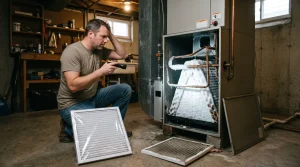
Clogged or moldy air filters can trap bad smells and restrict the flow of air through your system. Swap them out to improve air quality and remove musty or chemical smells from your HVAC system.
2. Look for Leaks or Damage
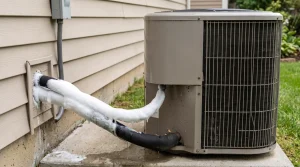
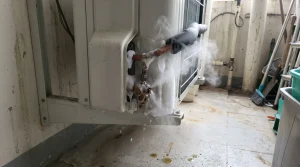
Examine the AC unit for signs of fluid leaks, rust, or corrosion. These may point to a refrigerant leak, which can give off a sharp, chemical-like odor.
3. Review Recent HVAC Work
If you’ve had HVAC service recently, a loose seal or disturbed part might cause unusual smells. Double-check for anything left open, unfastened, or out of place on the system.
4. Call a Technician for Inspection
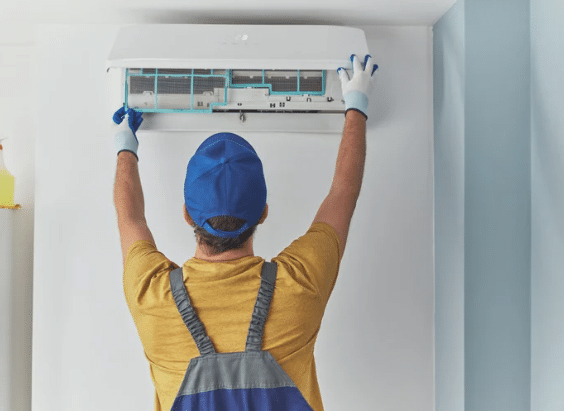
A certified HVAC technician can test refrigerant levels and inspect electrical components. Professional tools help identify deeper issues, like a slow leak or overheating wires that smell like gas.
Finding the cause early can help prevent bigger problems down the road. Call a technician if you’re unsure or if the gas smell continues after basic checks.
Preventative Measures to Avoid AC Smelling Like Gas
Regular HVAC maintenance can help prevent your AC from smelling like gas. These habits improve indoor air quality, reduce future problems, and keep your air conditioning system running safely and efficiently.
1. Book Seasonal Tune-Ups
Schedule a maintenance check before summer and winter. A technician can catch refrigerant leaks, loose wires, or worn parts before they cause odors or serious HVAC issues.
2. Change Filters Often
Change air filters every one to three months for better airflow and efficiency. Clean filters improve airflow, trap dust and mold, and help keep your air conditioning system from spreading bad smells indoors.
3. Seal and Secure Connections
Make sure all vents and the HVAC unit have tight seals. This keeps dirty outdoor air or fumes from getting pulled inside and causing odd or gas-like smells.
4. Clear Around the Unit
Keep the area around your AC unit free from leaves, tools, and trash. Good airflow and a clean space help your system work better and smell fresher.
Staying on top of small tasks can save you from big repairs later. A clean, well-maintained HVAC system runs smoother, smells better, and lasts longer.
When to Call a Professional if Your AC Smells Like Gas

Don’t wait if the smell persists, especially if it gets stronger or is paired with dizziness, headaches, or warm air coming from your vents. These signs often point to deeper HVAC problems that need expert help.
- The gas smell is strong and does not fade after opening the windows.
- Your AC is making strange sounds, like buzzing or clicking.
- You notice rust, fluid leaks, or burn marks near electrical parts.
- You’ve tried changing filters or turning off the unit without solving the problem.
An HVAC professional can check every part of your system, from electrical wiring to refrigerant levels, to find the exact cause of the gas-like smell. With the right tools and training, they can fix the issue safely and get your air conditioning system running like it should.
FAQs About AC Smells Like Gas
Is it safe to use my AC if it smells like gas?
No, using your AC is unsafe if it smells like gas. It might be a sign of a refrigerant leak, an electrical problem, or even a gas leak close to the unit. Shut off your AC right away and contact a certified HVAC professional for a full inspection.
How frequently should my air conditioning system be checked by a professional?
It’s a good idea to schedule a professional HVAC inspection annually, ideally before the hotter months when your system will be working the hardest. Regular checkups help detect refrigerant leaks, mold, or electrical problems. If your AC smells like gas, professional inspections can prevent costly breakdowns and protect your indoor air.
What should I do if I suspect a gas leak near my AC unit?
Turn off your air conditioning system and leave the home right away. Avoid turning on lights or appliances. If your AC smells like gas, call emergency services or your gas provider to check for a leak and ensure your safety before returning.
Is it normal for a new AC to smell like gas?
A new AC unit might have a light smell when first used, but it should not smell like gas. If your new AC smells like gas, it could mean a loose seal, a wiring issue, or a nearby leak. Have a professional inspect the system immediately.
Conclusion
If your AC smells like gas, you should not ignore it. That strange odor might seem minor, but it could be a severe warning. Whether it’s a refrigerant leak or something electrical, these problems can risk your safety. Acting quickly keeps your home comfortable, clean, and safe.
Routine HVAC care helps stop these smells before they start. It improves airflow, lowers energy bills, and catches problems early. If you’re searching for the best AC contractor in Bedford, TX and all DFW areas, trust AC Repair DFW for fast, honest service that keeps your air clean and your system strong.
Don’t wait until the smell gets worse or causes real damage. Contact a licensed expert to inspect your AC unit and fix the issue right the first time. Reach out to AC Repair DFW today. We will help you breathe easy again and get your comfort back on track.
End Note
AC Repair DFW is committed to keeping your home comfortable and your family safe. Our licensed HVAC technicians are ready to help if your AC smells like gas. We offer reliable HVAC services across Bedford, TX and the entire DFW area. Count on us to find the problem, fix it quickly, and make sure your system runs safely again.
Our team handles everything from air conditioning service and HVAC repair to complete installation and installation. Want to lower your energy bills? Try our energy assessment and structure energy review. For long-term system health, ask about our HVAC maintenance plans, including options for residential and commercial needs.
Learn more About Us, browse our projects, or check out helpful tips in our blog posts. Follow us on Facebook for updates and local news. If you are ready to schedule service, visit our Contact Us page today. Your comfort is just one call away.