Diagnosing compressor issues can be complex, and a professional specializing in AC repair in DFW may be needed. Look for these signs that could indicate a problem with your compressor. This frustrating issue can stem from simple problems like a clogged filter or more serious ones like a refrigerant leak. Quick AC repair in DFW can often restore your home’s comfort quickly.
When your AC malfunctions, the cooling cycle is disrupted. The compressor and coils must function properly to keep your space cool. If frequent repairs aren’t effective, consider AC installation services in DFW. Upgrading can improve efficiency, reduce breakdowns, and ensure consistent comfort all year round.
Quickly address warm air issues by checking the thermostat settings and inspecting the air filter. Simple adjustments can sometimes solve the problem. If these don’t help, calling a professional is the best next step. Don’t let an air conditioner blowing warm air ruin your summer—take action to stay calm and comfortable.
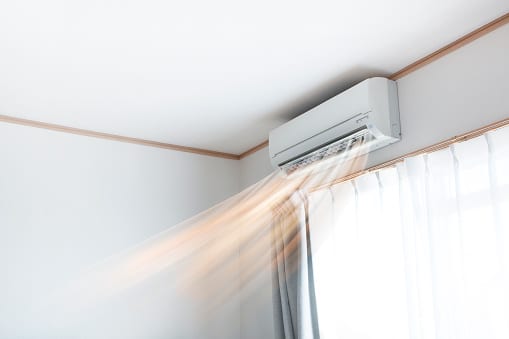
Reasons Why an Air Conditioner Blows Warm Air
There are several potential reasons why an air conditioner may blow warm air, including:
- Thermostat issues
- Dirty or clogged air filter
- Refrigerant leaks or low levels
- Condenser unit problems
- Compressor failure
- Ductwork obstructions or leaks
How to Check AC Thermostat Settings
If your air conditioner is blowing warm air, verify the thermostat setting. An incorrect setting can stop it from cooling properly, leading to warm air instead of cool air.
Follow these steps to check the thermostat settings:
- Ensure that the thermostat is set to the “cool” mode and not the “heat” or “fan” mode.
- Verify that the desired temperature is set lower than the current room temperature.
- Inspect the thermostat’s batteries and replace them if needed.
- Ensure the thermostat is not exposed to direct sunlight or heat sources, which could cause inaccurate temperature readings.
Air Conditioner Air Filter Cleaning Guide
A clogged air filter may cause your air conditioner to blow warm air. The filter traps dust and pollen, but when clogged, it blocks airflow. This makes your AC work harder, increasing energy costs and risking overheating. Regular cleaning helps keep cool air flowing efficiently.
To properly inspect and clean the air filter, follow these detailed steps:
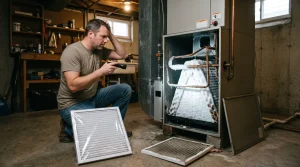
- Locate the air filter, which is typically located behind a removable panel or grille.
- Carefully remove the filter and examine it for visible dirt and debris buildup.
- If the filter is reusable, clean it according to the manufacturer’s instructions, which may involve vacuuming, washing, or replacing it.
- If the filter is disposable, replace it with a new one of the same type and size.
How to Check Refrigerant Levels in Your Air Conditioner
Refrigerant is the lifeblood of an air conditioning system, and any issues with its levels or leaks can significantly impact the system’s cooling ability. The refrigerant moves between the indoor and outdoor units, capturing heat from the indoor air and dispersing it outdoors.
If the refrigerant levels are low due to a leak or other issue, the system may struggle to absorb and transfer heat effectively, blowing warm air into the living space. Low refrigerant levels can also cause the compressor to work harder, potentially leading to premature failure.
It’s best to consult a professional HVAC technician in DFW to evaluate the refrigerant levels. They have the necessary tools and expertise to properly assess the system’s refrigerant levels and identify leaks or other issues.
Here are some common signs that might suggest low refrigerant levels:
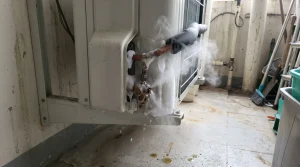
- Ice forming on the refrigerant lines or evaporator coil
- Unusual hissing or bubbling sounds coming from the refrigerant lines
- Reduced cooling performance, even with a clean air filter
Signs of Condenser Unit Issues in Your Air Conditioner

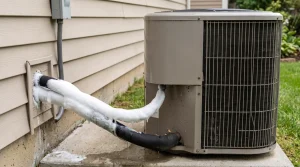
The outdoor condenser unit in an air conditioning system plays a crucial role by dispersing the heat collected from indoor air, helping to maintain a relaxed indoor environment. It contains the compressor, condenser coil, and a fan that helps dissipate the heat.
If the condenser unit is not functioning correctly, it can lead to warm air being blown into the living space. Some common issues with the condenser unit include:
- Obstructed airflow: Debris, such as leaves, twigs, or other materials, can accumulate around the condenser unit, blocking the airflow and preventing proper heat dissipation.
- Dirty condenser coils: Over time, they can become coated with dirt, dust, or other contaminants, reducing their ability to release heat effectively.
- Fan failure: If the condenser fan is not working correctly, it can’t effectively move air across the condenser coils, leading to heat buildup and reduced cooling performance.
- Refrigerant leaks: Leaks in the refrigerant lines or connections near the condenser unit can cause refrigerant levels to drop, affecting the system’s cooling ability.
To identify potential issues with the condenser unit, follow these steps:
- Visually inspect the area around the condenser unit for any obstructions or debris.
- Check the condenser coils for dirt or buildup and clean them if necessary, following the manufacturer’s instructions.
- Listen for any unusual noises from the condenser fan, which may indicate a problem.
- Look for any signs of refrigerant leaks, such as ice buildup or hissing sounds.
Examining the Compressor for Faults in Your Air Conditioner
The compressor is a critical component in an air conditioning system that circulates refrigerant between the indoor and outdoor units. Pressuring the refrigerant allows the system to absorb indoor heat and release it outside, making the cooling process efficient and effective.
If the compressor fails or develops issues, it can significantly impact the system’s cooling performance, blowing warm air into the living space. Some common compressor problems include:
- Electrical issues: The compressor is an electrically powered component, and any problems with the wiring, capacitors, or other electrical components can cause it to malfunction or fail to start.
- Mechanical failure: Over time, the compressor’s internal components can wear down or damage, leading to reduced efficiency or complete failure.
- Overheating: If the compressor overheats due to issues like low refrigerant levels or obstructed airflow, the system can shut down as a protective measure, blowing warm air.
Diagnosing compressor issues can be complex, and a professional specializing in AC repair in DFW may be needed. Look for these signs that could indicate a problem with your compressor:
- Odd sounds, like grinding or rattling noises, emanating from the compressor
- The compressor frequently turns on and off
- Visible signs of wear or damage on the outside of the compressor
- Electrical issues, including frequently tripped circuit breakers or blown fuses
Troubleshooting Air Conditioner Ductwork Blockages
Ductwork is a system of insulated pipes or tubes designed to distribute cooled air from the air conditioning unit to different areas throughout the home. Blockages or leaks in the ductwork can prevent the cool air from circulating correctly, leading to warm air being blown into specific regions.
Some common causes of ductwork issues include:
- Debris buildup: Over time, dust, insulation fibers, or other materials can accumulate inside the ductwork, restricting airflow.
- Duct leaks: Gaps or holes in the ductwork can allow cool air to escape, reducing the system’s efficiency and causing warm air to be blown into the living space.
- Crushed or kinked ducts: If the ductwork becomes crushed or kinked, it can restrict airflow and prevent proper air distribution.
To troubleshoot potential ductwork issues, follow these steps:
- Inspect the ductwork for visible damage, such as holes, gaps, or crushed areas.
- Check for obstructions or debris buildup by removing duct covers or access panels and shining a flashlight inside.
- Use a duct tester or smoke pencil to identify any leaks in the ductwork system.
When to Seek Professional Help for Air Conditioner Issues
While some issues with an air conditioner blowing warm air can be addressed through basic troubleshooting and maintenance, there may be instances where the problem is more complex and requires the skills of a professional HVAC (Heating, Ventilation, and Air Conditioning) technician.
The following situations may warrant professional assistance:
Refrigerant Leaks
Handling refrigerant leaks requires special training and tools, as refrigerants can be hazardous if not managed correctly. A licensed HVAC repair in DFW has the proper knowledge and equipment to safely locate and fix refrigerant leaks, ensuring your air conditioning system operates efficiently and securely.
Compressor or Electrical Issues
Compressor and electrical issues in air conditioning units can be tricky and dangerous without the proper training. Hiring a professional HVAC repair technician in DFW ensures the safe and effective diagnosis and repair of these components, keeping your air conditioning system running smoothly and securely without unnecessary risks.
Complex Ductwork Problems
Complex ductwork problems, especially those hard to access, require a professional’s expertise for proper repair or replacement. A trained HVAC repair in DFW can inspect and repair ductwork issues efficiently, helping improve your home’s air circulation and the overall energy efficiency of your air conditioning system.
Aging or Outdated Systems
If your air conditioning system is older or outdated, a professional HVAC technician can advise whether to repair or replace it. Replacing an old air conditioner with a modern, energy-efficient model could reduce costs and enhance home comfort.
Recurring or Persistent Issues
If your air conditioning system has recurring issues despite troubleshooting, it may be time to consult a professional for AC repair in DFW. Persistent problems often require a trained HVAC technician to identify and fix the root cause, ensuring your system runs reliably and without frequent breakdowns.
Frequently Asked Questions
How do you fix window AC blowing warm air?
If your window AC is blowing warm air, check the air filter; it may be clogged and blocking airflow. Clean or replace it as needed. Also, confirm that the thermostat is set to the cooling mode. If your window AC keeps blowing warm air, it might need professional repair to cool correctly.
How Do I Fix My AC Blowing Warm Air?
To fix your AC blowing warm air, start by checking the thermostat. Set it to cool, and ensure all doors and windows are closed to keep cool air inside. Examine the air filter and clean or replace it if it shows signs of dirt or blockage. If it still blows warm air, call a professional for help.
Why Is My AC Running but Not Cooling?
If your AC is running but not cooling, there may be low refrigerant, dirty coils, or a problem with the compressor. First, check and clean the air filter to improve airflow. If the AC still doesn’t cool, an HVAC technician in DFW can diagnose and fix the problem to restore proper cooling.
Should I Turn Off the AC if It Is Blowing Warm Air?
If your AC is blowing warm air, turn it off to avoid strain and high energy bills. Check the thermostat setting and inspect the air filter for any clogs. If your AC continues to blow warm air, contact a technician to find the issue and get your AC working again.
Why Is My AC Blowing Out Lukewarm Air?
When your AC blows lukewarm air, it may need more refrigerant, have a dirty filter, or have clogged condenser coils. Start by cleaning the filter to improve airflow. Also, check that outdoor coils are clear of debris. If lukewarm air persists, call an HVAC expert to restore complete cooling.
Conclusion
If your air conditioner blows warm air, acting fast is critical, especially in the hot DFW climate. Quick AC repair in DFW can run your system smoothly again, returning the comfort of a fantastic home. Don’t ignore these signs—fixing them early can save you from more significant issues later.
If basic steps like adjusting the thermostat or replacing the filter don’t solve the problem, it may be time to get professional HVAC repair in DFW. An expert can diagnose deeper issues that may be causing warm air to blow. Getting help sooner rather than later ensures your AC works efficiently, even on the hottest days.
Working with a trusted AC contractor in DFW makes all the difference. With the right help, you can keep your AC in great shape and enjoy a comfortable home year-round. Don’t let an air conditioner blowing warm air disrupt your summer—reach out to AC Repair DFW today and keep cool with peace of mind!
End Note
We pride ourselves on providing reliable AC repairs in DFW to keep your home comfortable throughout every season. With years of experience and a commitment to exceptional service, we’re here to handle all your HVAC needs. Discover more about our trusted approach on our About Us page.
From full HVAC installations to quick repairs, our team is ready to serve. With our Residential HVAC Maintenance Plans, we ensure your HVAC system stays efficient and hassle-free, saving you both time and money. Check out our blog for expert tips and guidance to keep your home’s air quality and comfort at their best.
Let us help you design the ultimate indoor comfort experience! Reach out through our Contact Us page for personalized support, and follow us on Facebook for updates, offers, and helpful insights. At AC Repair DFW, we’re dedicated to providing dependable, high-quality service to keep your home comfortable all year.